


Bra Line Lipectomy (Upper Back Lipectomy) After Weight Loss
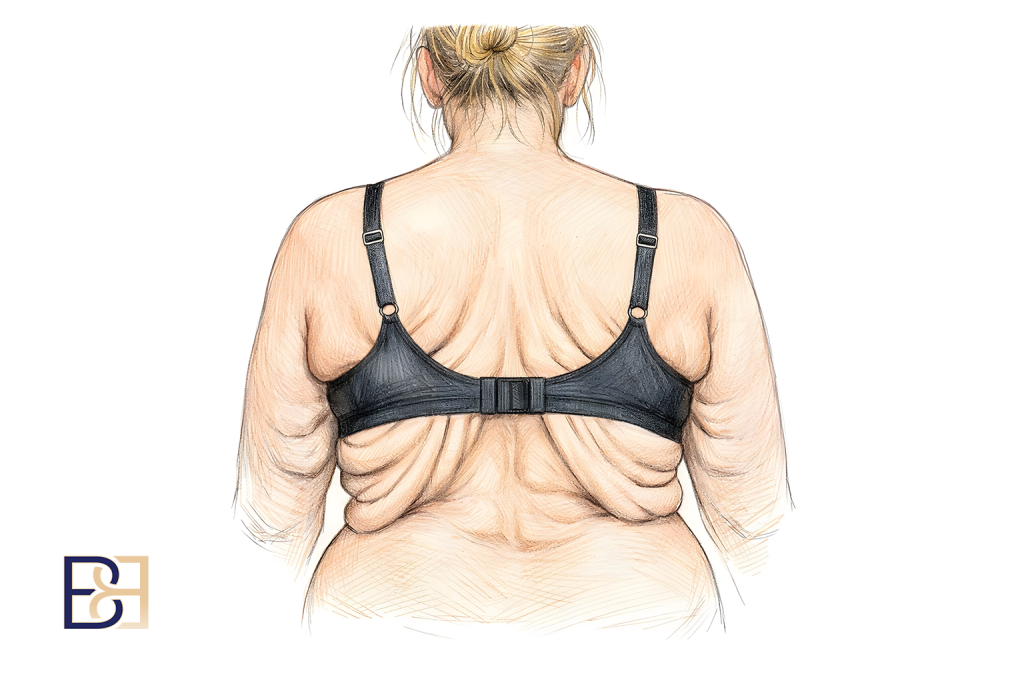
Book Online NowBra lipectomy, also known as a bra line back lift, back bra lift, or upper body lift, is a surgical procedure designed to treat excess skin and fat of the upper back following significant weight loss (1,2,3). This area is frequently resistant to correction with non-surgical measures and is not adequately treated by lower-body contouring alone due to well-described anatomical zones of tissue adherence. These tethering points limit skin redraping after weight reduction, leaving redundant folds along the bra line (1,2).
Patients who have undergone significant weight loss, including those following bariatric surgery, commonly experience persistent excess skin in the upper and middle part of the back (1,4). This excess tissue may contribute to functional issues such as skin rashes, hygiene difficulties, and problems with clothing fit, particularly beneath the bra strap area. Bra lipectomy is therefore considered a post weight loss procedure, typically performed once a stable weight has been achieved and maintained (2,3).
Why Upper Back Skin Persists After Massive Weight Loss
The upper back contains strong midline and paraspinal zones of adherence that tether the skin to underlying fascia and musculature. These anatomical features prevent the upward transmission of tension from procedures such as abdominoplasty or belt lipectomy. As a result, traditional body contouring procedures often fail to treat excess skin in the upper back region (1,4).
Clinical studies have demonstrated that liposuction alone is frequently insufficient in this area due to reduced skin elasticity and the presence of thick, fibrofatty tissue. In patients with massive weight loss, direct excision of redundant skin through a bra line back lift is often required to effectively treat excess skin (1–3).
Book Online Now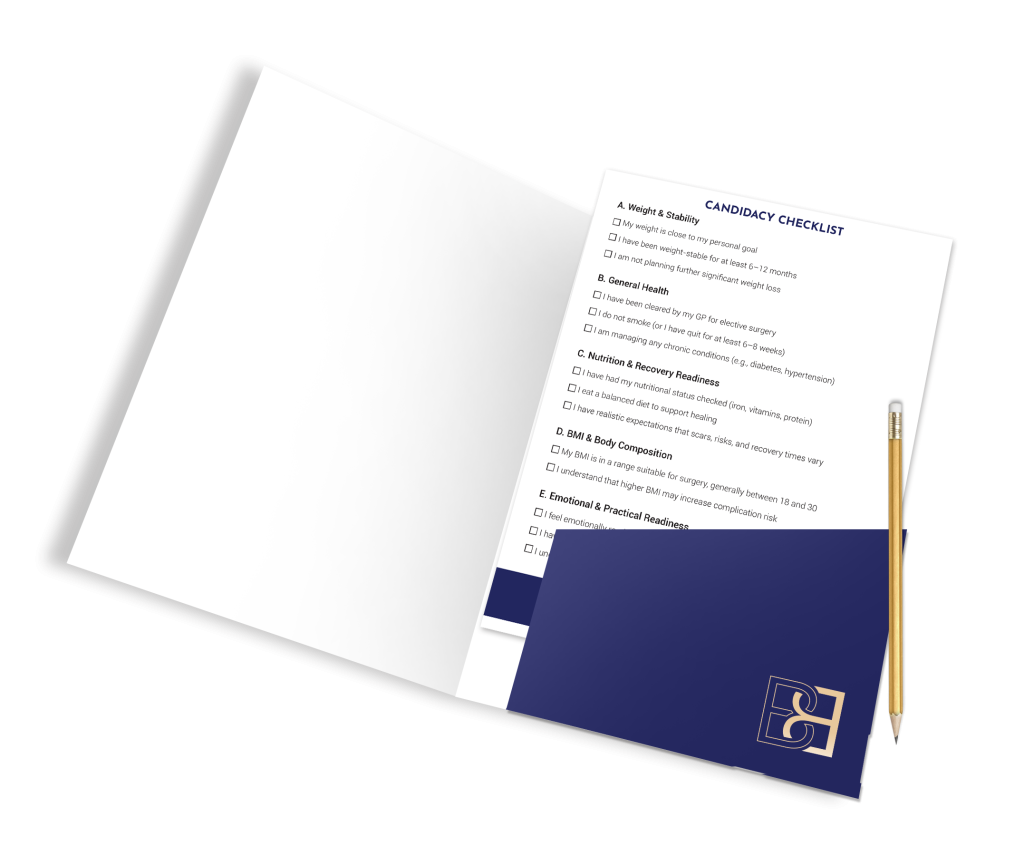
What Is Bra Lipectomy (Bra lift)?
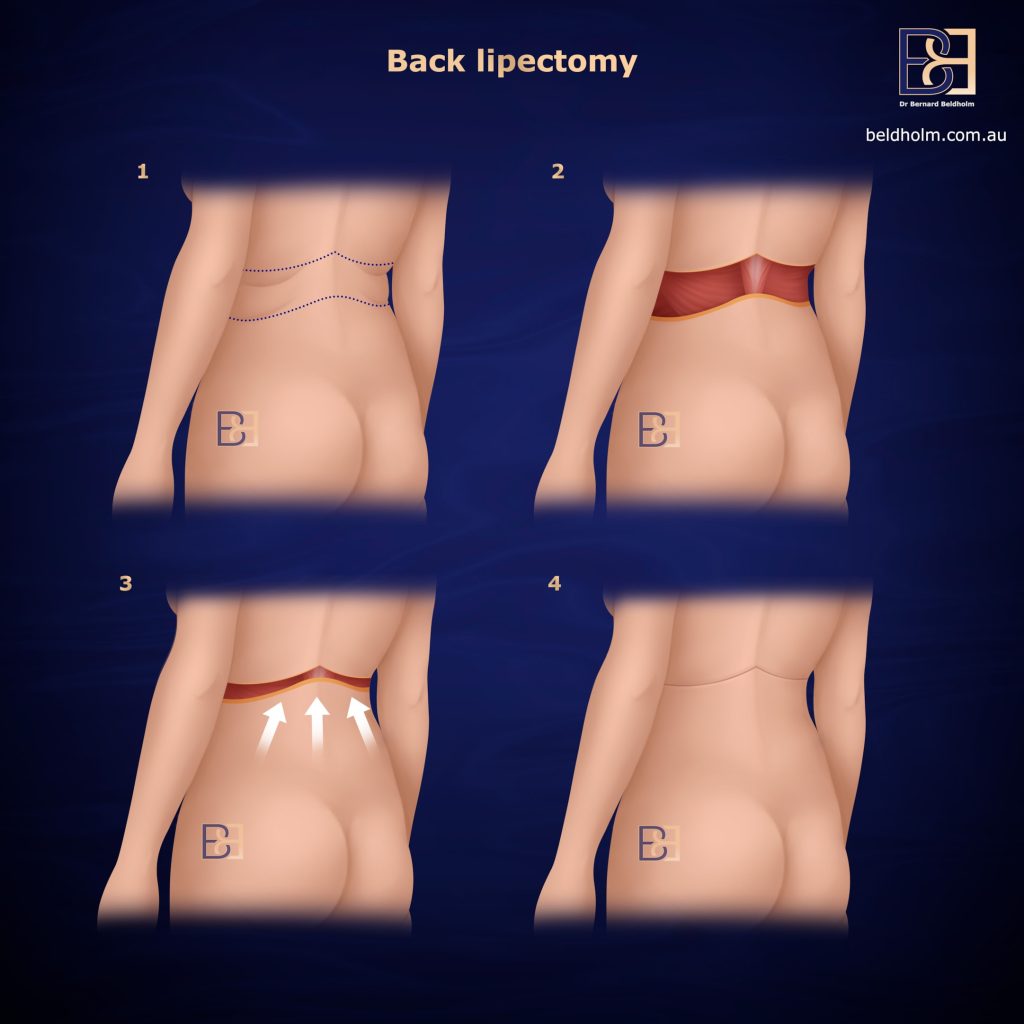
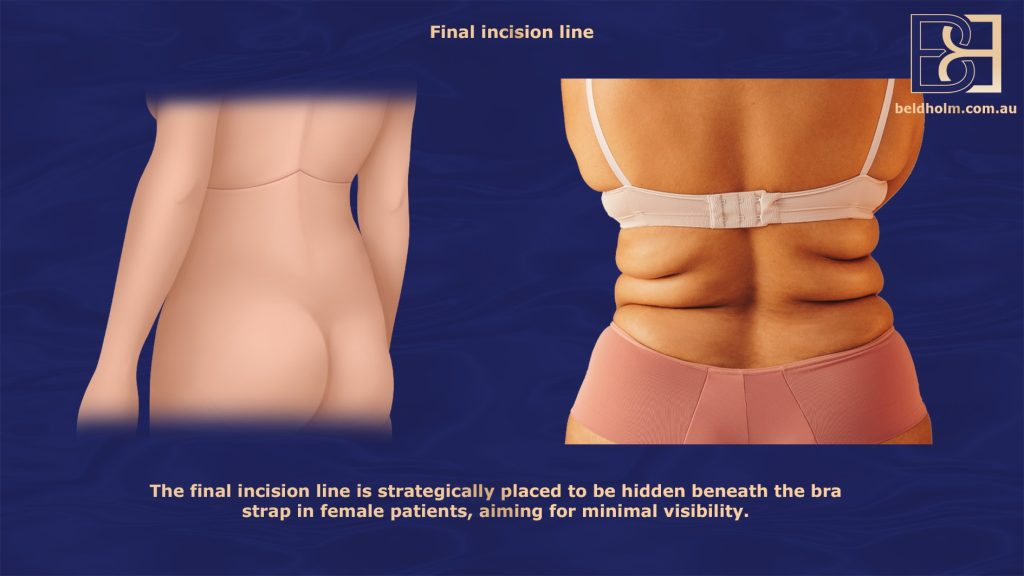
Bra lipectomy is a lift procedure that removes excess tissue from the upper back region. The incision is positioned along the bra line, allowing the resulting scar to be concealed beneath a bra strap or swimwear. This back lift procedure may involve the removal of excess skin alone or a combination of excess skin and fat, depending on individual anatomy.
The procedure is performed under general anaesthesia and may be undertaken as a standalone operation or combined with other body contouring procedures in selected patients (1–3). In men, a similar surgical approach may be performed with adjusted incision placement and is sometimes referred to as an upper back torsoplasty.
Suitable Candidates for Bra Lipectomy (Bra lift)
A suitable candidate for bra lipectomy is assessed on an individual basis. In general, candidates include patients who:
- Have experienced significant or massive weight loss
- Have maintained a stable weight for several months
- Present with redundant skin or excess tissue of the upper back
- Experience skin irritation or hygiene difficulties beneath the bra line
- Are in good overall health
- Have realistic expectations regarding visible scars and recovery
Patients who are actively losing weight or who smoke may be advised to delay surgery due to increased risks related to wound healing (2,3).
Consultation Process: Dr Bernard Beldholm’s Consultation Pathway
The consultation process for bra lipectomy reflects Dr Bernard Beldholm’s structured, staged approach to post–weight loss body contouring surgery.
Initial Consultation (approximately 60 minutes)
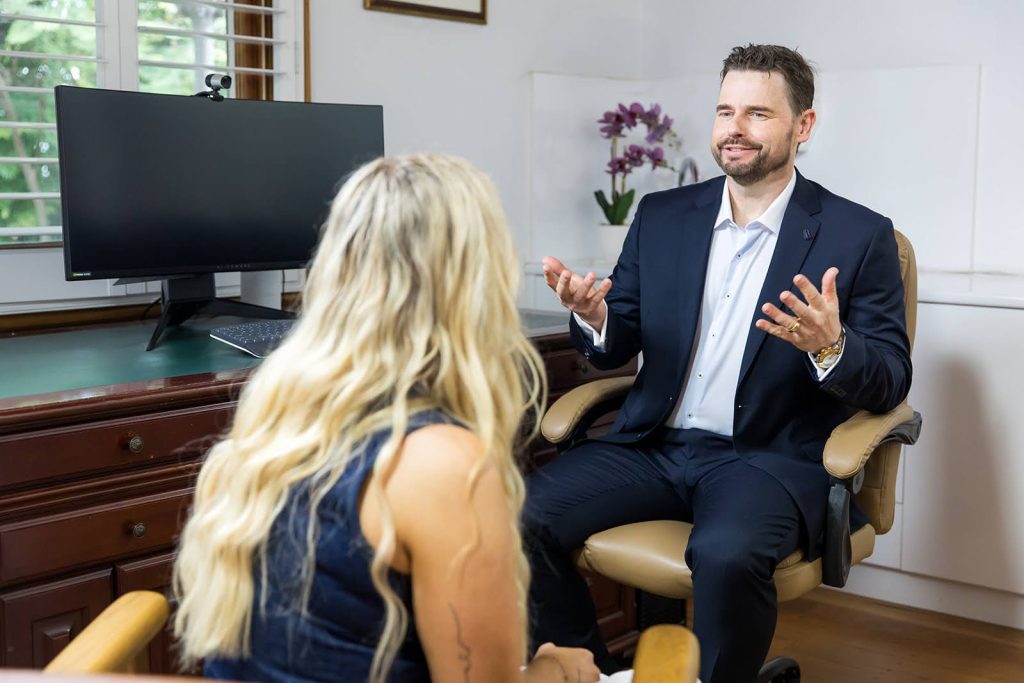
The first consultation is typically a one-hour appointment conducted in person at the Lorn consulting rooms, unless the patient lives a significant distance away. This consultation is deliberately unhurried and focuses on education, assessment, and informed decision-making rather than scheduling surgery.
During this appointment, Dr Beldholm undertakes a detailed review of the patient’s full medical history, including weight loss history, bariatric surgery (if applicable), current medications, previous operations, and overall health status. Particular attention is paid to weight stability, smoking status, nutritional considerations, and factors that may influence wound healing or surgical risk.
A thorough physical examination of the upper back is performed to assess excess skin, fatty tissue, skin elasticity, and the pattern of skin redundancy along the bra line. Dr Beldholm explains whether the concerns are best treated with skin excision alone or a combination of fat removal and skin excision. Incision placement, scar position beneath the bra strap area, and the limitations of surgery are discussed in detail.
Standardised clinical photographs are taken as part of routine surgical planning. The bra lipectomy procedure, recovery timeline, activity restrictions, and potential risks are explained carefully to ensure realistic expectations.
Second Consultation (no additional cost)
This appointment allows patients time to reflect on the information provided, ask further questions, and confirm their decision. During the second consultation, surgical planning is refined, consent is reviewed in detail, and any outstanding medical or logistical considerations are discussed. This staged approach is designed to reduce pressure and support informed consent.
Book Online Now

Telehealth Consultations for Regional, Interstate, and Remote Patients:
For patients who live outside the Hunter region or interstate, an initial consultation may be conducted via telehealth. This appointment focuses on history-taking, discussion of concerns, and preliminary education about bra lipectomy. An in-person consultation is always required prior to surgery to allow physical examination, photography, and final confirmation of suitability, in accordance with regulatory requirements.
This consultation pathway ensures that patients have adequate time, information, and support to make an informed decision before proceeding with bra lipectomy.
Surgical Setting

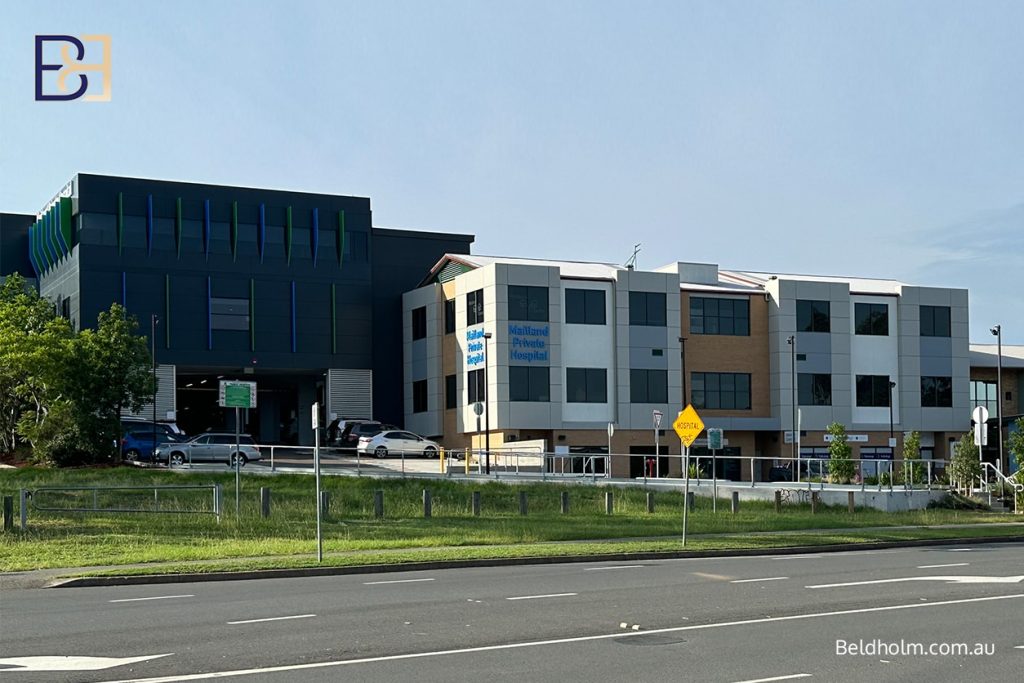
Bra lipectomy is performed at Maitland Private Hospital, a fully accredited private hospital offering 24-hour medical coverage and on-site intensive care facilities. Surgery is performed under general anaesthesia and may involve a day-only admission or overnight stay, depending on the extent of the procedure and whether other procedures are combined (1,2).
The Bra Lipectomy Procedure
Pre-operative Marking
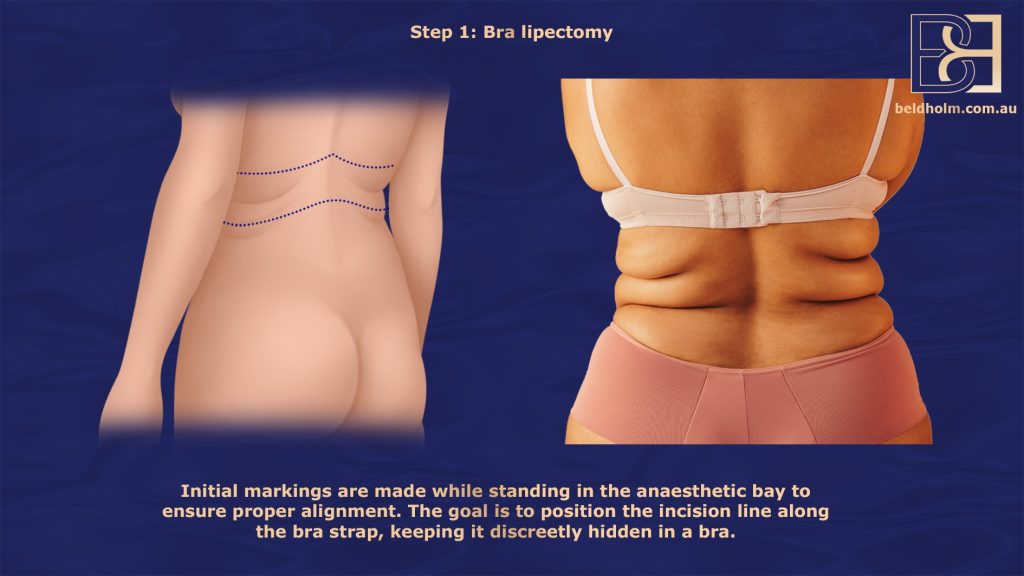
Pre-operative markings are performed with the patient standing. The bra line or bra strap area is used to guide incision placement. The resection pattern is tapered laterally to minimise dog-ear formation and optimise scar concealment.
Anaesthesia
The procedure is performed under general anaesthesia. Anaesthetic considerations and risks are discussed prior to surgery as part of the consent process.
Fat Removal (If Required)
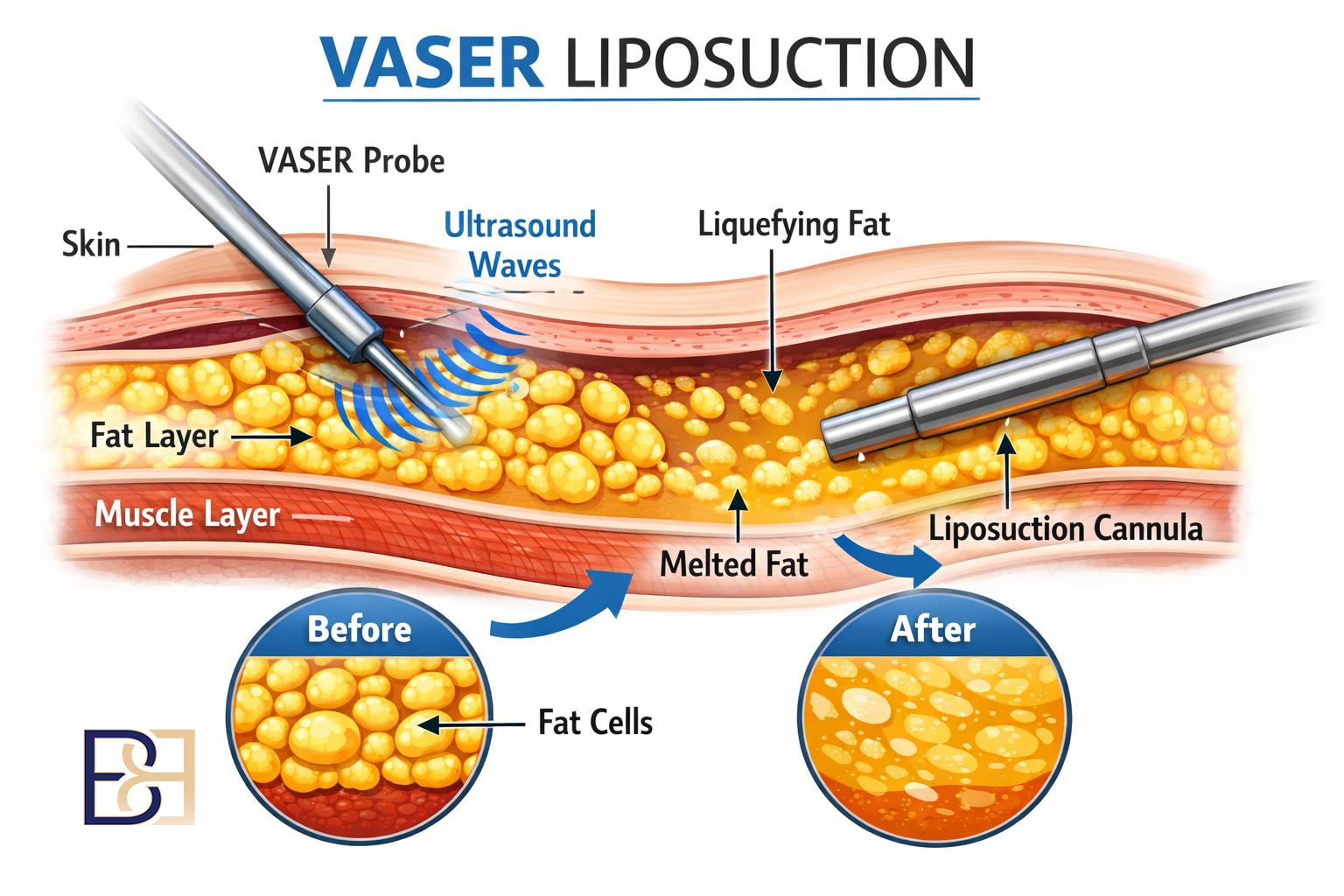
In patients with residual excess fat, fat removal may be performed prior to skin excision. Liposuction is used selectively and is not relied upon to manage skin laxity alone.
Skin Excision and Closure
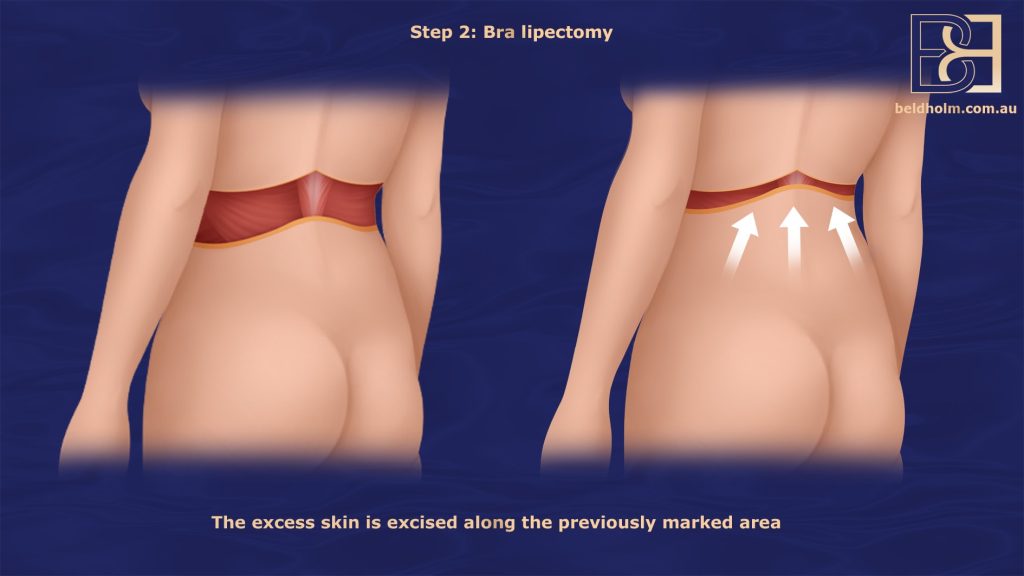
Excess skin is excised directly, with dissection maintained superficial to the muscle fascia. A layered, space-obliterating closure technique is used to support wound healing and minimise fluid accumulation (1–3).
Combining Bra Lipectomy With Other Procedures
Bra lipectomy may be combined with other body contouring procedures in selected patients. These may include abdominoplasty (tummy tuck), arm lift (brachioplasty), breast lift (Mastopexy), or lower body lift (Belt lipectomy) procedures. Combining procedures may increase operative time and influence the recovery period, and decisions are made on an individual basis.
Recovery Process After Bra Line Back Lift (upper back lipectomy)
Initial Recovery
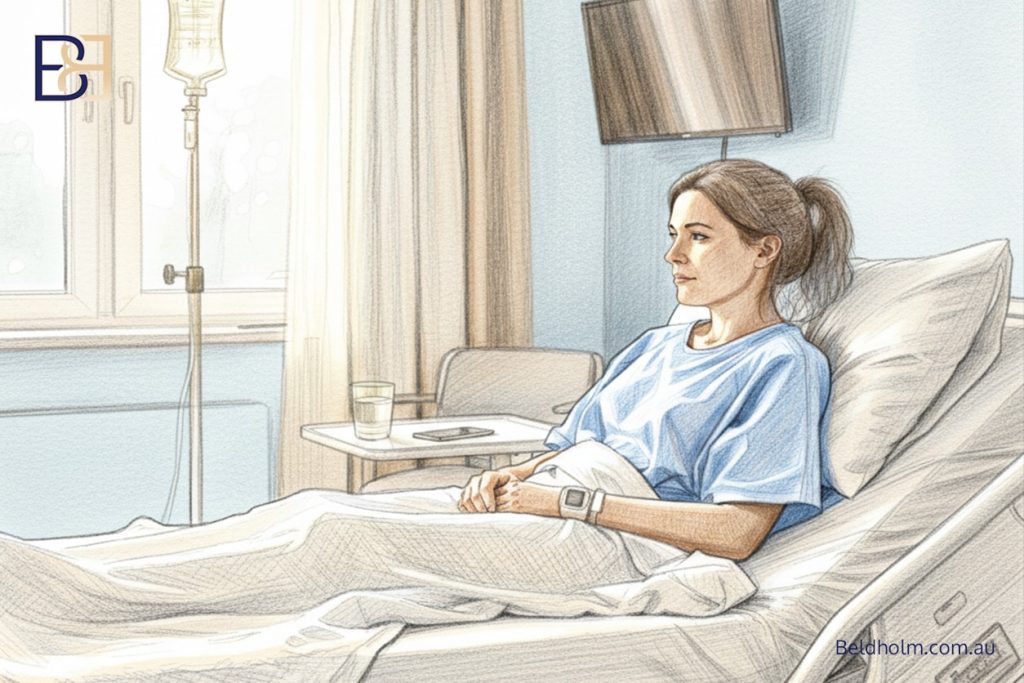
Immediately following surgery, patients are monitored in the recovery unit at Maitland Private Hospital before transfer to the ward. Bra lipectomy is commonly performed as a day procedure; however, an overnight hospital stay may be recommended depending on the extent of surgery, whether other procedures are combined, and individual medical factors. During the in-hospital stay, nursing staff monitor vital signs, wound sites, and pain control, with review by Dr Bernard Beldholm prior to discharge.
The initial recovery period focuses on wound care, pain management, and early mobilisation. Pain medication is prescribed as required, and patients are encouraged to mobilise early to reduce the risk of blood clots and other post-operative complications (1–3). Clear discharge instructions are provided, including activity restrictions, wound care guidance, and signs of complications that should prompt early review.
First Few Weeks
The first two weeks after surgery are a closely supervised phase of recovery. Patients are reviewed regularly during this period, with particular attention to wound healing, swelling, and comfort. Dressings are assessed at the first post operative appointment, and wound care instructions are reinforced. Patients are advised to limit shoulder abduction, avoid heavy lifting, and refrain from strenuous exercise to minimise tension across the incision line.
For patients travelling from outside the Hunter region, it is generally recommended to remain locally for at least 7–10 days following surgery to allow early post-operative reviews and timely management of any concerns.
Weeks Post Surgery and Long-Term Follow-Up
As healing progresses over the subsequent weeks post surgery, patients gradually return to normal daily activities. Swelling reduces over time, and scar management is introduced once wounds have healed. Most patients are advised to avoid strenuous activity for at least six weeks.
Routine follow-up appointments are scheduled at approximately 1, 3, 6, and 12 months after surgery. These visits allow assessment of wound healing, scar maturation, contour outcomes, and identification of any late complications. Long-term follow-up is an important component of Dr Beldholm’s practice and supports recovery and realistic assessment of surgical outcomes.
Managing Swelling and Healing
Swelling is expected following a back lift procedure and may persist for several weeks. The extent of swelling depends on the amount of excess tissue removed and the individual’s healing response. Measures to reduce swelling include adherence to activity restrictions, appropriate use of garments when recommended, and careful wound care.
Risks and Potential Complications
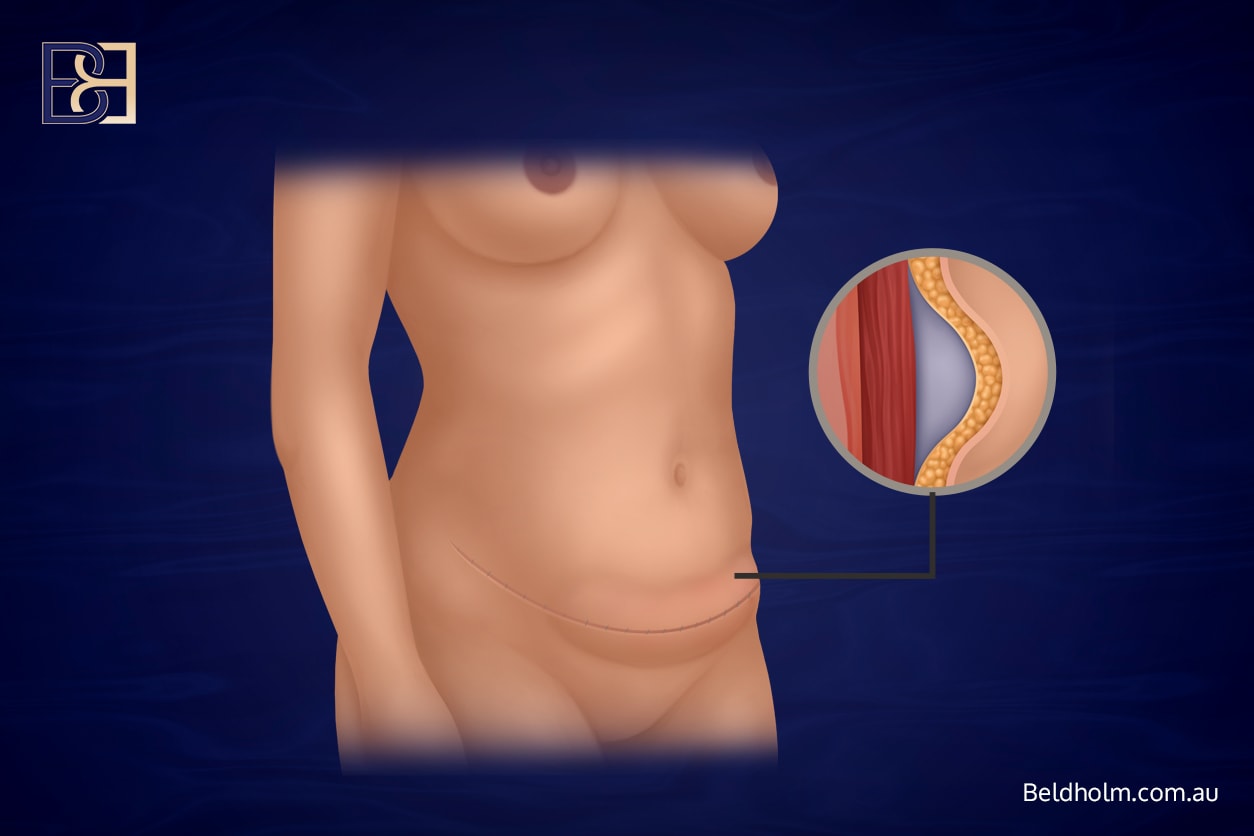
All surgical procedures carry risks. Potential risks associated with bra lipectomy include infection, delayed wound healing, seroma or haematoma formation, blood clots, changes in sensation, scar widening, asymmetry, and the potential need for revision surgery (1–3). Individual risk varies based on overall health, smoking status, and surgical complexity.

Expected Outcomes and Limitations
Bra lipectomy treats loose skin of the upper back, reduces functional issues related to excess skin, and improves clothing fit. It is not a weight-loss operation, and some degree of visible scarring is unavoidable. Long-term outcomes depend on maintaining a stable weight and following post-operative instructions (1,2).
Book Online NowLearn more about the recovery process following bra line lipectomy (upper back lipectomy) after weight loss
Learn more about the potential complications associated with bra line lipectomy (upper back lipectomy) after weight loss
Learn more about the costs of bra line lipectomy (upper back lipectomy) after weight loss
Frequently Asked Questions
What is the recovery time for a bra line back lift (upper back lipectomy)?
Most patients return to light activities within one to two weeks. Activity restrictions, including avoiding strenuous exercise and heavy lifting, generally apply for at least 4 weeks.
How much does it cost to have extra skin removed after losing weight?
Costs vary depending on the extent of surgery, hospital fees, and whether other procedures are combined. A personalised quote is provided following consultation.
References
- Hunstad JP, Repta R. Bra-line back lift. Plast Reconstr Surg. 2008;122(4):1225–1228.
- Hunstad JP, Chen C, Abbed T. Bra-line back lift. Clin Plast Surg. 2019;46(1):77–84.
- Hunstad JP, Khan PD. The bra-line back lift. Clin Plast Surg. 2014;41(4):715–726.
- Strauch B, Rohde C, Patel MK, et al. Back contouring in massive weight loss patients. Plast Reconstr Surg. 2007;120:1692–1702.
- Shermak MA. Management of back rolls. Aesthet Surg J. 2008;28:348–356.
- Aly AS. Upper body lift. In: Body Contouring after Massive Weight Loss. St Louis: Quality Medical Publishing; 2006.