


Full Abdominoplasty Surgery After Pregnancy
Book Online NowTummy Tuck (Abdominoplasty) for Post‑Pregnancy Abdominal Changes
Dr Bernard Beldholm, Specialist Surgeon, regularly treats patients who develop abdominal changes after pregnancy. These changes commonly involve the skin, abdominal muscles, and subcutaneous fat of the abdomen.
A full abdominoplasty (standard tummy tuck) is a surgical procedure used to treat several of these structural changes during a single operation.
Abdominoplasty surgery may treat:
- Diastasis recti (separation of the abdominal muscles)
- Excess or loose abdominal skin following pregnancy
- Accumulation of subcutaneous abdominal fat
- Small abdominal wall hernias in selected patients
- Caesarean section (C‑section) scars, which are typically removed as part of the abdominoplasty procedure, and other problematic abdominal scars that may be revised during surgery
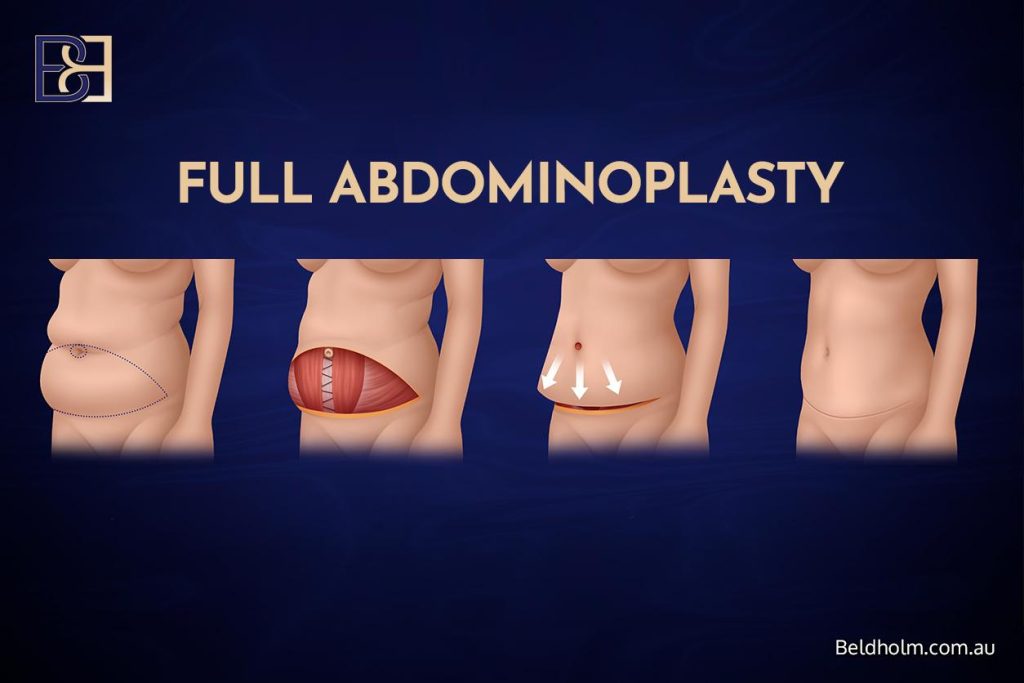
During abdominoplasty, excess abdominal skin is removed, and the abdominal muscles may be repaired if diastasis recti is present. Dr Beldholm frequently performs VASER liposuction (suction‑assisted lipectomy) on the abdomen and flanks during abdominoplasty to address subcutaneous fat.
In selected patients, hernia repair or scar revision can also be performed during the same operation.
Suitability for tummy tuck (abdominoplasty) surgery is assessed during consultation. This consultation allows Dr Beldholm to evaluate abdominal skin excess, diastasis recti, subcutaneous fat distribution, previous abdominal surgery, and the presence of abdominal wall hernias.
Common Abdominal Changes After Pregnancy
Pregnancy places significant stress on the abdominal wall. As the abdomen expands to accommodate the growing uterus, the skin, connective tissue, and abdominal muscles stretch. After delivery, these tissues do not always return to their previous state.
Several anatomical changes may remain after pregnancy:
Diastasis Recti (Abdominal Muscle Separation)
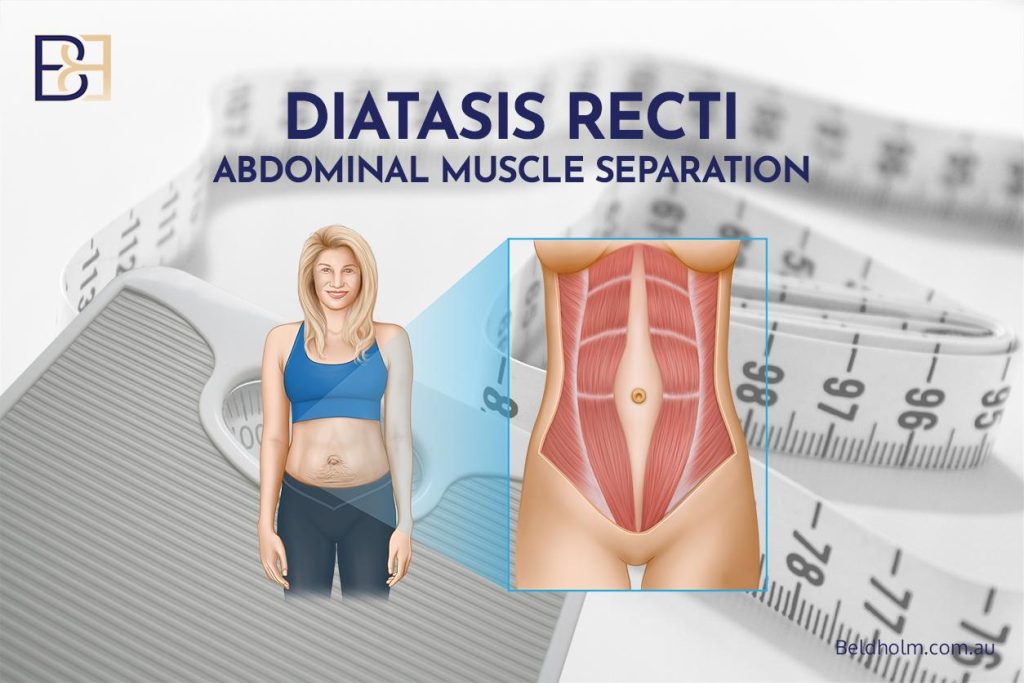
The rectus abdominis muscles can separate along the midline during pregnancy. This condition, known as diastasis recti, may lead to weakness of the abdominal wall and widening of the linea alba. Surgical repair of diastasis recti can be performed during abdominoplasty.
Excess or Loose Abdominal Skin
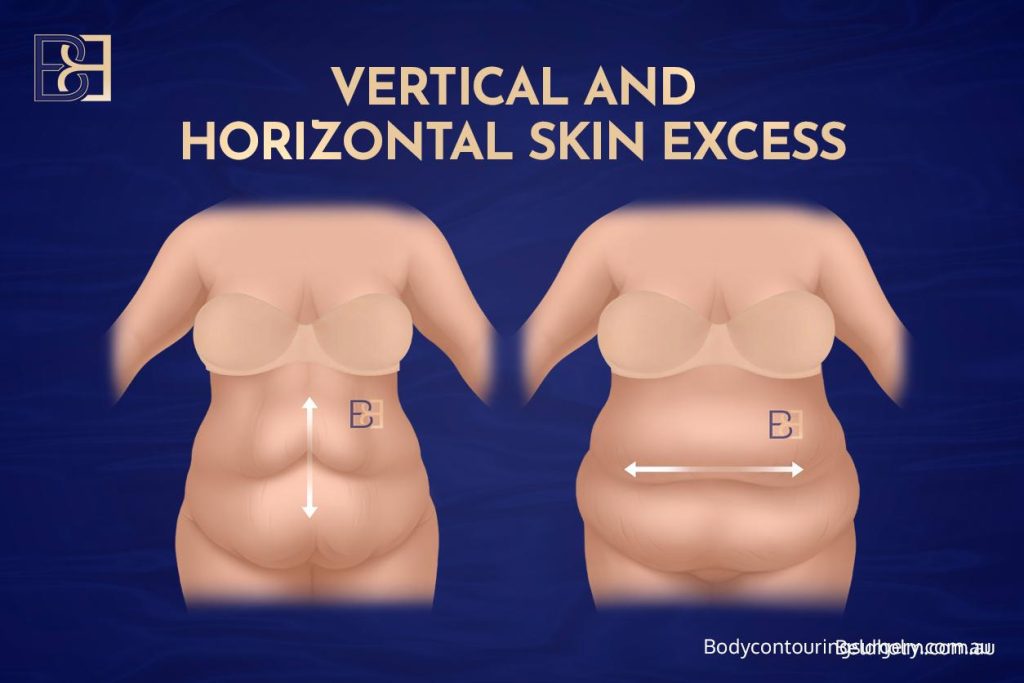
Stretching of the skin during pregnancy may lead to persistent skin laxity after delivery. When significant skin excess remains, it cannot be corrected with exercise and may be treated with surgical skin removal during abdominoplasty.
Accumulation of Subcutaneous Fat
Some patients develop localised accumulation of subcutaneous abdominal fat following pregnancy. Liposuction (suction‑assisted lipectomy), including VASER liposuction in selected patients, may be performed during abdominoplasty to address these areas.
Caesarean Section (C‑Section) Scar
Many patients have a previous C‑section scar in the lower abdomen. During a full abdominoplasty, this scar is typically removed as part of the skin excision.
What Is Full Abdominoplasty Surgery?
Full abdominoplasty surgery, commonly referred to as a tummy tuck (abdominoplasty), is a surgical procedure that removes excess abdominal skin and may repair separation of the abdominal muscles (diastasis recti).
The procedure addresses structural changes of the abdominal wall that may occur after pregnancy.
During abdominoplasty surgery:
- Excess abdominal skin is removed
- Diastasis recti may be repaired
- The abdominal wall is tightened
- VASER liposuction (suction-assisted lipectomy) may be performed across the abdomen and flanks to treat areas of subcutaneous fat
- A previous C-section scar is typically removed as part of the lower abdominal skin excision
A full abdominoplasty usually involves an incision across the lower abdomen that runs from hip to hip. This allows the removal of excess lower abdominal skin and access to repair the abdominal muscles.
In some patients, excess skin also extends toward the flanks. In these cases, an extended abdominoplasty may be recommended. This procedure uses a longer incision that extends past the hips and toward the lower back, allowing treatment of excess skin on the sides of the abdomen.
The most appropriate procedure is determined during consultation after assessment of abdominal anatomy and skin distribution.
Repair of Diastasis Recti During Abdominoplasty
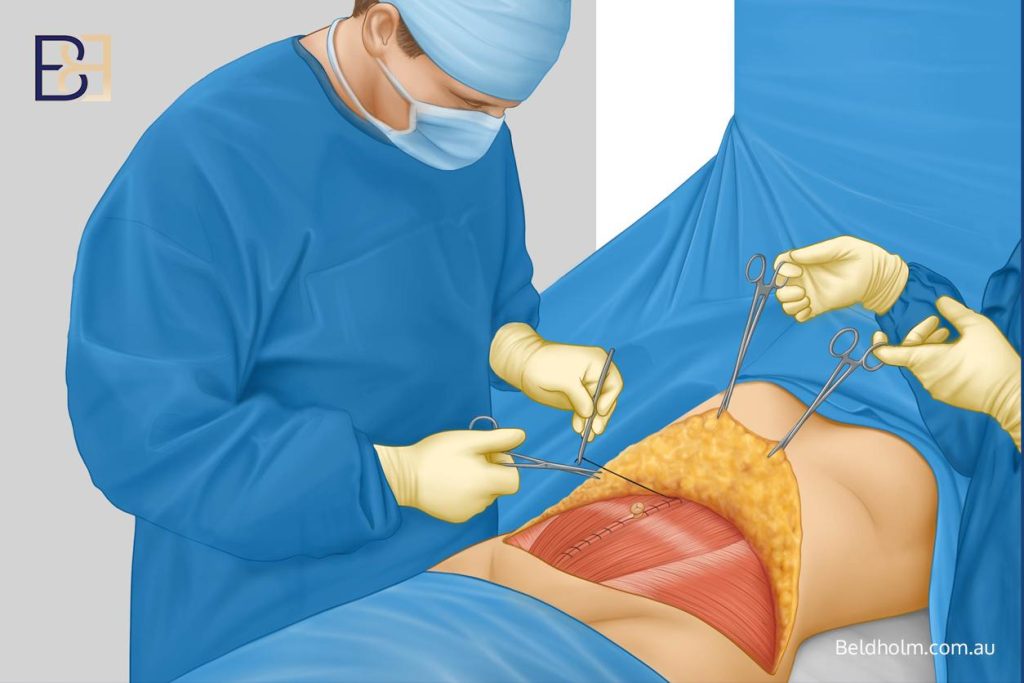
Diastasis recti is a separation of the rectus abdominis muscles along the midline of the abdomen. This separation occurs when the connective tissue between the muscles (the linea alba) stretches during pregnancy as the abdomen expands.
After delivery, the muscles may move closer together, but in some patients, the separation persists. This can lead to widening of the abdominal wall and reduced midline support.
A full abdominoplasty (tummy tuck) allows surgical repair of diastasis recti at the same time as removal of excess abdominal skin.
During the operation, the abdominal skin is elevated to expose the underlying abdominal wall. The separated rectus muscles are then brought back toward the midline and repaired using sutures. This process restores continuity of the abdominal wall.
Repair of diastasis recti may:
- improve the structural support of the abdominal wall
- reduce the widening of the abdominal midline
- allow removal of excess abdominal skin during the same procedure
The presence and severity of diastasis recti are assessed during consultation and physical examination. In some patients, imaging may also be used to confirm the degree of muscle separation.
Not all patients with abdominal skin excess require muscle repair. The decision to repair diastasis recti during abdominoplasty surgery depends on the findings at consultation and the overall surgical plan.
Liposuction During Abdominoplasty Surgery
Excess fat in the abdomen and flanks may persist after pregnancy even when patients maintain a stable weight. In these cases, liposuction (suction-assisted lipectomy) may be performed at the same time as abdominoplasty surgery to address areas of subcutaneous fat.
Liposuction (suction-assisted lipectomy) removes fat using suction. In Dr Beldholm’s practice, VASER liposuction (suction-assisted lipectomy) is frequently performed as part of abdominoplasty to treat fat deposits in the abdomen and flanks.
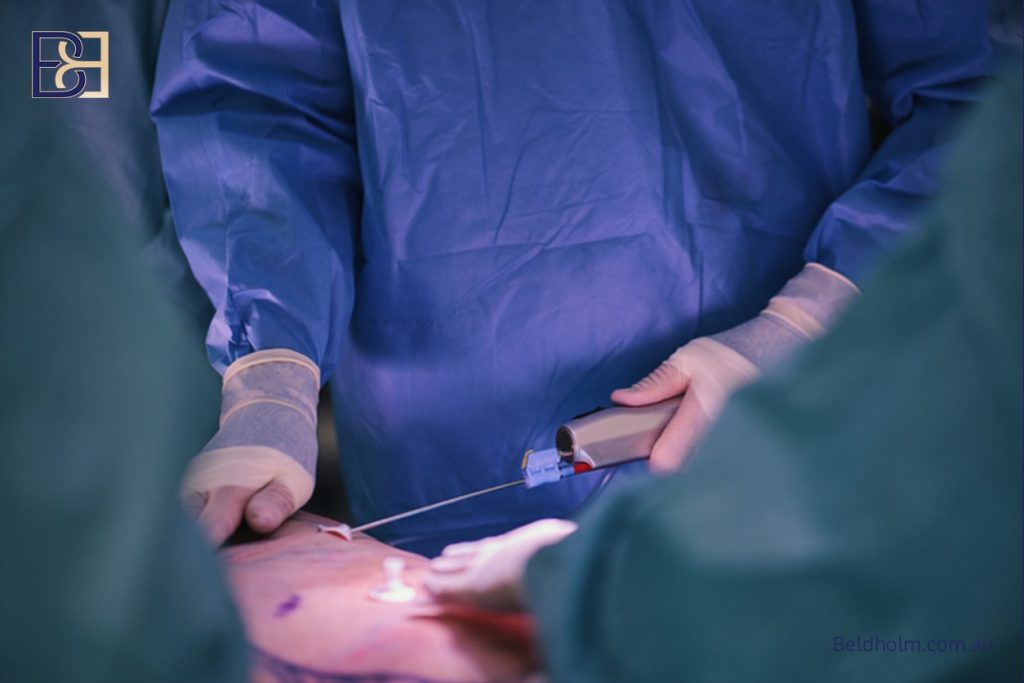
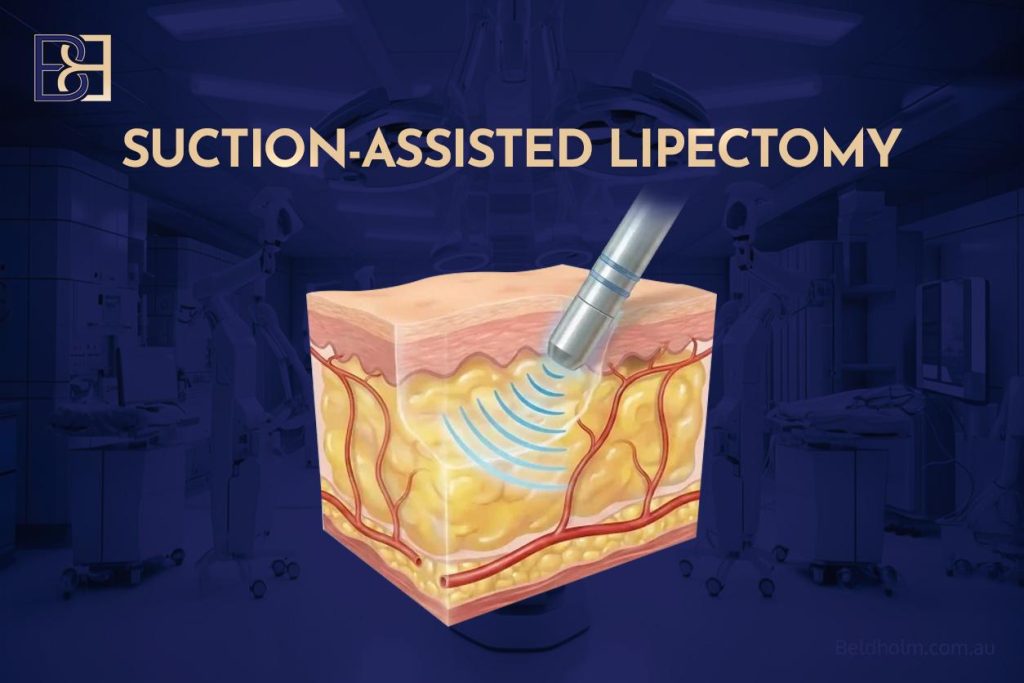
VASER technology uses ultrasound energy to assist with fat removal before suction is applied. This allows fat to be separated from surrounding tissues prior to removal.
Liposuction (suction-assisted lipectomy) performed during abdominoplasty may:
- treat subcutaneous fat of the abdomen
- address fat deposits in the flanks or sides of the waist
- improve contour of the abdominal region
Liposuction (suction-assisted lipectomy) is usually performed before the skin removal stage of abdominoplasty. After liposuction is completed, the procedure continues with repair of diastasis recti when required and removal of excess abdominal skin.
The extent of liposuction performed during tummy tuck (abdominoplasty) surgery depends on the distribution of subcutaneous fat and the overall surgical plan determined during consultation.
What Happens During Abdominoplasty Surgery

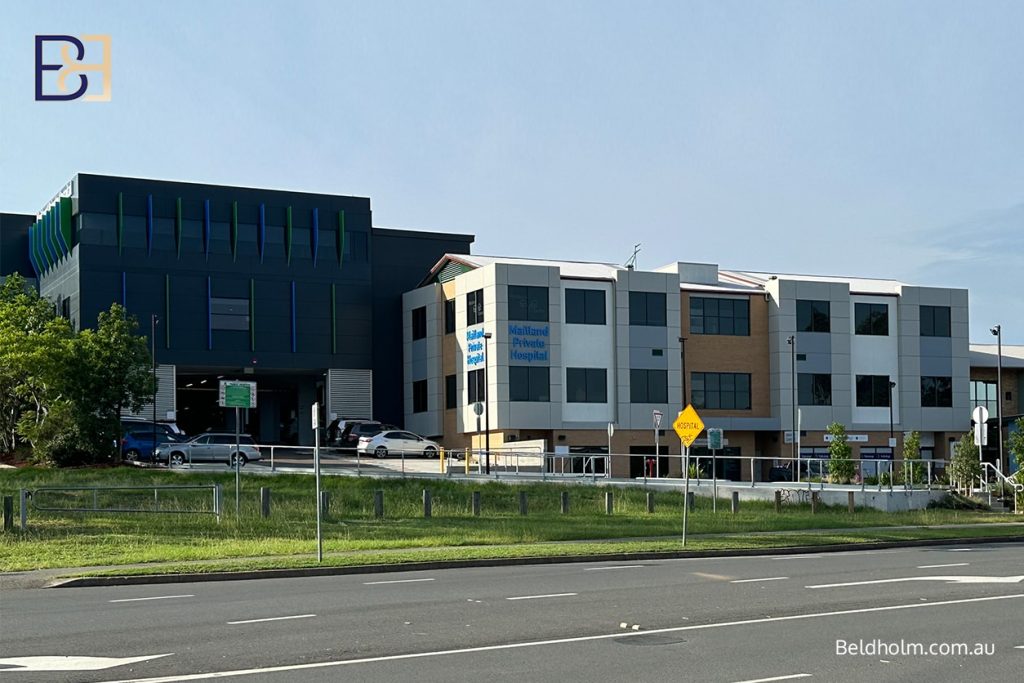
Abdominoplasty surgery is performed by Dr Bernard Beldholm, Specialist Surgeon, at Maitland Private Hospital under general anaesthesia.
The procedure is planned individually for each patient depending on the degree of abdominal skin excess, diastasis recti, and subcutaneous fat distribution.
The operation typically involves several stages.
1. VASER Liposuction
When indicated, VASER liposuction (suction-assisted lipectomy) is performed first to treat areas of subcutaneous fat in the abdomen and flanks.
VASER liposuction is performed in three stages:
Wetting Solution
A tumescent wetting solution is introduced into the fatty tissue. This helps prepare the tissue for fat removal.
VASER Ultrasound Energy
A specialised probe delivers ultrasound energy that assists in separating fat cells from surrounding tissues.
Fat Removal
The separated fat is then removed using suction-assisted lipectomy.
2. Lower Abdominal Incision
An incision is made across the lower abdomen, typically extending from hip to hip in a full abdominoplasty. The incision is planned so that it lies within the underwear or swimwear line where possible.
3. Elevation of the Abdominal Skin
The abdominal skin and underlying tissue are elevated to allow access to the abdominal wall and rectus muscles.
4. Repair of Diastasis Recti
If diastasis recti is present, the separated rectus muscles are repaired using sutures along the midline to restore continuity of the abdominal wall.
5. Removal of Excess Skin
Excess lower abdominal skin is removed. In patients who have had a Caesarean section, the existing C-section scar is typically removed as part of the skin excision.
6. Redraping and Closure
The remaining abdominal skin is redraped and the incision is closed with sutures.
Abdominoplasty surgery performed by Dr Beldholm at Maitland Private Hospital is tailored to the patient’s anatomy and the pattern of abdominal changes present after pregnancy.
Recovery After Abdominoplasty Surgery
Recovery following abdominoplasty surgery varies between patients and depends on the extent of the procedure performed, including whether diastasis recti repair and VASER liposuction (suction-assisted lipectomy) are performed.
Abdominoplasty performed by Dr Bernard Beldholm at Maitland Private Hospital typically involves a short hospital stay so that early recovery can be monitored.
Hospital Stay
Most patients stay in hospital for 1–2 nights following surgery. During this time, nursing staff monitor recovery, manage pain control, and assist with early mobilisation.
Early Postoperative Care
After discharge from hospital, patients enter a structured follow-up period. In Dr Beldholm’s practice this includes frequent early review by both Dr Beldholm and the nursing team.
Specialised dressings may be used during the early recovery period. PICO negative pressure dressings are commonly used to support incision healing.
Activity and Mobility

Patients are encouraged to begin gentle mobilisation soon after surgery. Walking is typically recommended early in the recovery process to support circulation.
However, strenuous activity, heavy lifting, and abdominal strain are restricted during the initial healing phase.
Follow-Up Care
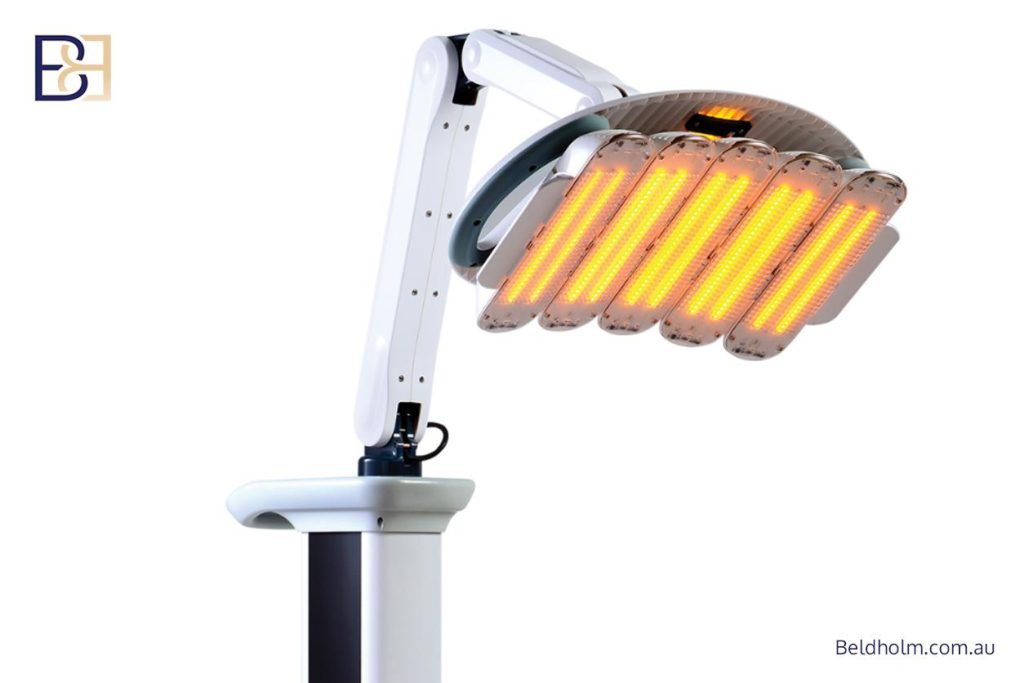
Follow-up appointments allow monitoring of healing and assessment of recovery progress. In Dr Beldholm’s practice, postoperative care may also include LED light therapy as part of incision care.
Recovery Timeline

Recovery timelines vary depending on the extent of surgery and the patient’s individual healing response. Detailed recovery instructions are provided following surgery and discussed during consultation.
Who May Be Suitable for Abdominoplasty Surgery?
Abdominoplasty surgery is considered for patients who have developed structural changes of the abdominal wall following pregnancy.
These changes may include excess abdominal skin, diastasis recti, or accumulation of subcutaneous fat that does not improve with exercise or weight management.
Patients who may be considered for tummy tuck (abdominoplasty) surgery commonly have:
- Excess or loose abdominal skin
- Diastasis recti (abdominal muscle separation)
- Subcutaneous fat of the abdomen or flanks
- A previous C-section scar in the lower abdomen
- Abdominal wall laxity following pregnancy
Suitability for surgery also depends on several health and lifestyle factors.
Patients are usually advised to:
- have completed pregnancy and childbirth
- maintain a stable body weight
- be in appropriate general health for surgery
During consultation, Dr Bernard Beldholm performs a detailed assessment of abdominal anatomy and medical history to determine whether abdominoplasty surgery is an appropriate treatment option.
The consultation also allows discussion of the type of abdominoplasty, expected recovery, and potential risks associated with surgery.
Consultation With Dr Bernard Beldholm
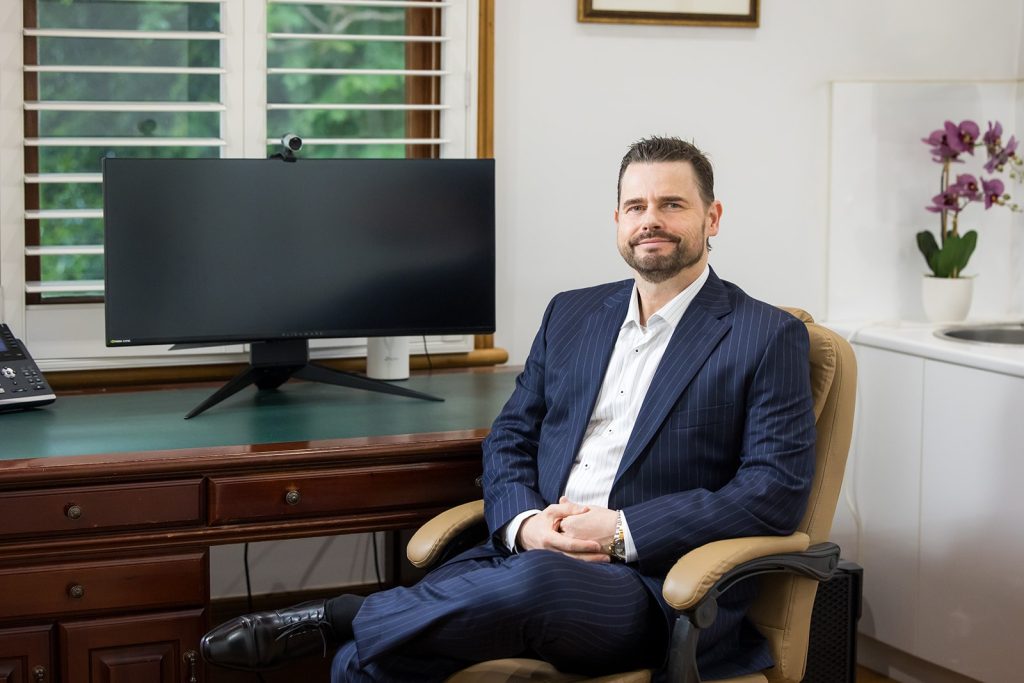
A consultation is required to determine whether tummy tuck (abdominoplasty) surgery is appropriate for an individual patient.
During the consultation, Dr Bernard Beldholm, Specialist Surgeon, performs a detailed assessment of the abdominal wall. This includes evaluation of:
- abdominal skin excess
- presence and severity of diastasis recti
- distribution of subcutaneous fat
- previous abdominal surgery, including C-section scars
- presence of abdominal wall hernias
The consultation also allows discussion of the most appropriate surgical approach. This may include whether a full abdominoplasty or an extended abdominoplasty is recommended.
Patients are provided with information about:
- the abdominoplasty procedure
- expected recovery after surgery
- potential risks and complications
- the postoperative care plan
Abdominoplasty surgery performed by Dr Bernard Beldholm takes place at Maitland Private Hospital.
A consultation provides the opportunity to discuss individual concerns and determine whether abdominoplasty surgery is an appropriate treatment option.
Risks and Complications of Abdominoplasty Surgery
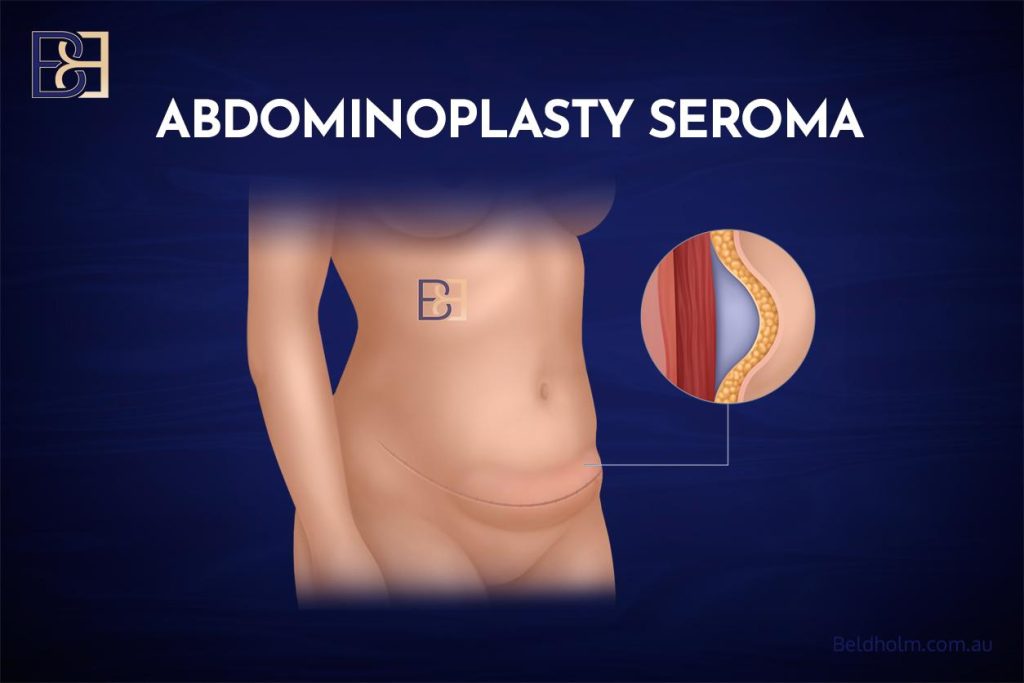
All surgical procedures carry risks. Abdominoplasty surgery is a major operation and potential complications can occur.
Possible risks and complications may include:
- bleeding or haematoma
- infection
- delayed wound healing
- seroma (fluid collection)
- changes in skin sensation
- skin or tissue necrosis
- scarring
- asymmetry or contour irregularities
- deep vein thrombosis (DVT) or pulmonary embolism
Additional risks may be associated with procedures performed at the same time as abdominoplasty, including VASER liposuction (suction-assisted lipectomy) or hernia repair.
Most complications are uncommon, but the likelihood varies depending on individual health factors, the extent of surgery, and postoperative healing.
These risks are discussed in detail during consultation with Dr Bernard Beldholm, along with steps taken to reduce surgical risk and support recovery.
Further information about potential complications is available in the detailed complication information provided prior to surgery.