


Arm Fat Removal Surgery
Book Online NowExcess fat in the upper arms can create fullness or heaviness in the arm contour that does not improve with diet or exercise. Some patients notice persistent fat deposits in the upper arm area even when they are otherwise at a stable weight.
Arm fat removal surgery aims to reduce these fat deposits and improve the overall contour of the upper arm.
Several surgical approaches may be used depending on the underlying cause of the arm fullness. In patients with localised fat and good skin elasticity, treatment may involve liposuction (suction-assisted lipectomy) to remove excess fat from the upper arms.
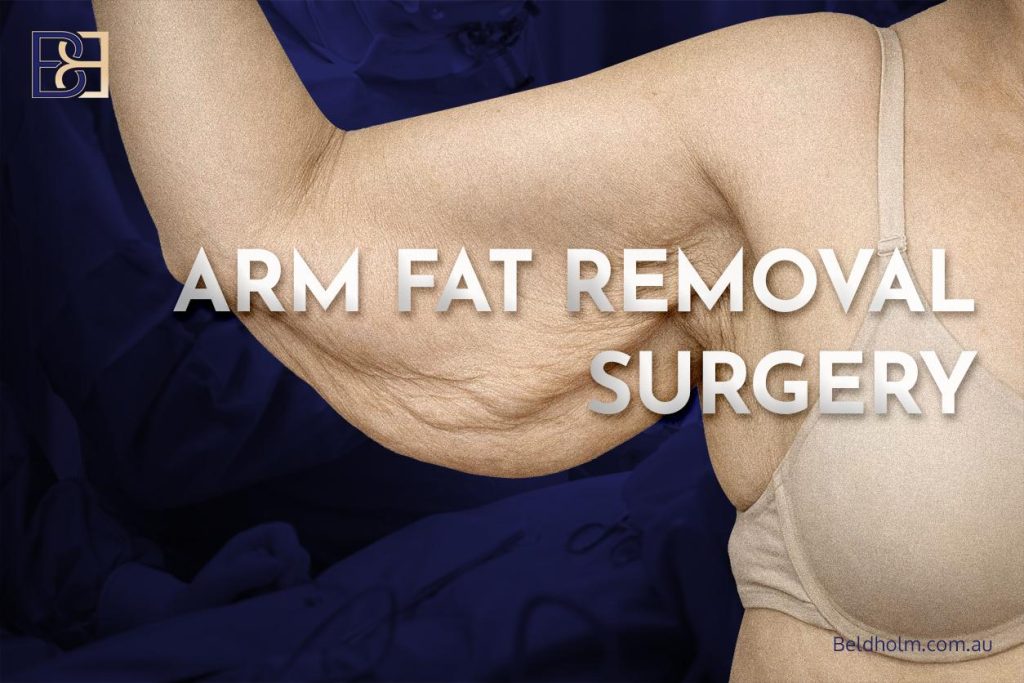
However, in patients who also have loose or excess skin, removing fat alone may not achieve an improved contour. In these cases, arm lift surgery (brachioplasty) may be recommended to remove excess skin while also addressing remaining fat deposits.
A consultation and physical examination are required to determine whether liposuction alone or brachioplasty with suction-assisted lipectomy is the most appropriate procedure.
What Causes Fat Accumulation in the Upper Arms
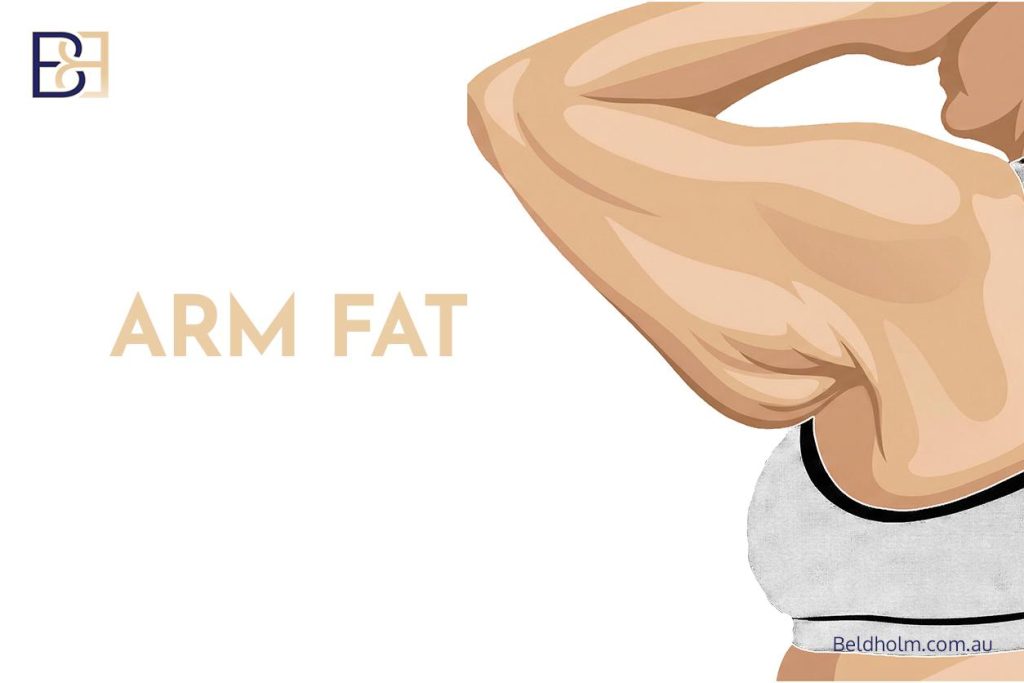
Fat deposits in the upper arms can occur for several reasons. In many patients, this area can be resistant to weight loss, meaning fat remains even after overall body weight has reduced.
Common factors that contribute to upper arm fat accumulation include:
Genetics
Some people naturally store more fat in the upper arms due to inherited fat distribution patterns.
Weight gain
Excess calorie intake can lead to fat storage in various areas of the body, including the arms.
Age-related changes
As people age, body fat distribution can change and the skin may gradually lose elasticity.
Hormonal factors
Hormonal changes can influence how fat is stored in the body, including the upper arms.
Weight loss
Patients who lose significant weight may still have remaining fat deposits in the arms. In addition, weight loss may lead to skin laxity, which can affect the final arm contour.
It is important to understand that fat and loose skin are separate issues. Some patients primarily have excess fat, while others have a combination of fat deposits and loose skin.
The appropriate treatment depends on which of these factors are present. In some cases, liposuction (suction-assisted lipectomy) may be sufficient to remove excess fat. In other patients, arm lift surgery (brachioplasty) may be required to remove excess skin and improve the arm contour.
Arm Fat Removal Surgery Options
There are two main surgical approaches used to reduce fullness in the upper arms. The appropriate procedure depends on whether the problem is primarily excess fat, loose skin, or a combination of both.
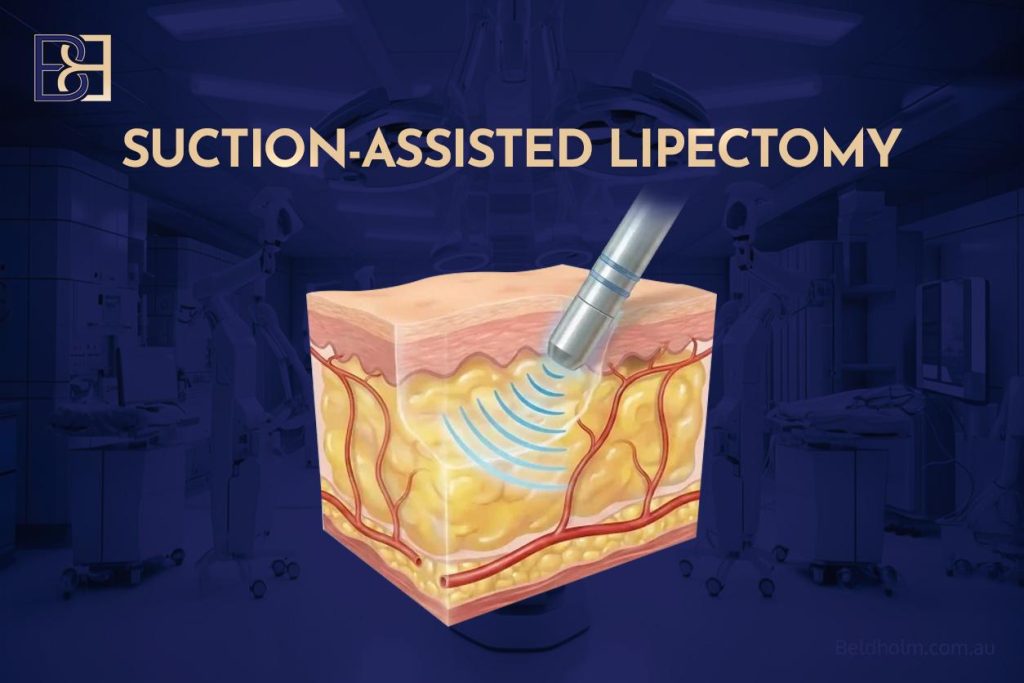
Liposuction (Suction-Assisted Lipectomy)
Liposuction (suction-assisted lipectomy) may be suitable for patients who have localised fat deposits in the upper arms with good skin elasticity.
During the procedure, small incisions are made and a thin tube (cannula) is used to remove excess fat from the arm. This can reduce the volume of the upper arm and improve the overall contour.
Liposuction may be appropriate for patients who:
- Have excess fat but minimal loose skin
- Have good skin elasticity
- Are close to a stable body weight
Because liposuction removes fat but does not remove skin, the skin must be able to contract after the fat is removed.
Book Online NowArm Lift Surgery (Brachioplasty)
Some patients have both excess fat and loose skin in the upper arms. In these cases, liposuction alone may not provide an improved contour.
Arm lift surgery (brachioplasty) removes excess skin and may also include liposuction (suction-assisted lipectomy) to address remaining fat deposits.
Brachioplasty may be recommended for patients who have:
- Loose or hanging skin in the upper arms
- Skin laxity after weight loss
- A combination of excess skin and fat
During consultation, Dr Bernard Beldholm assesses fat distribution, skin elasticity, and the amount of excess skin to determine whether liposuction alone or brachioplasty with suction-assisted lipectomy is the more appropriate treatment.
Book Online Now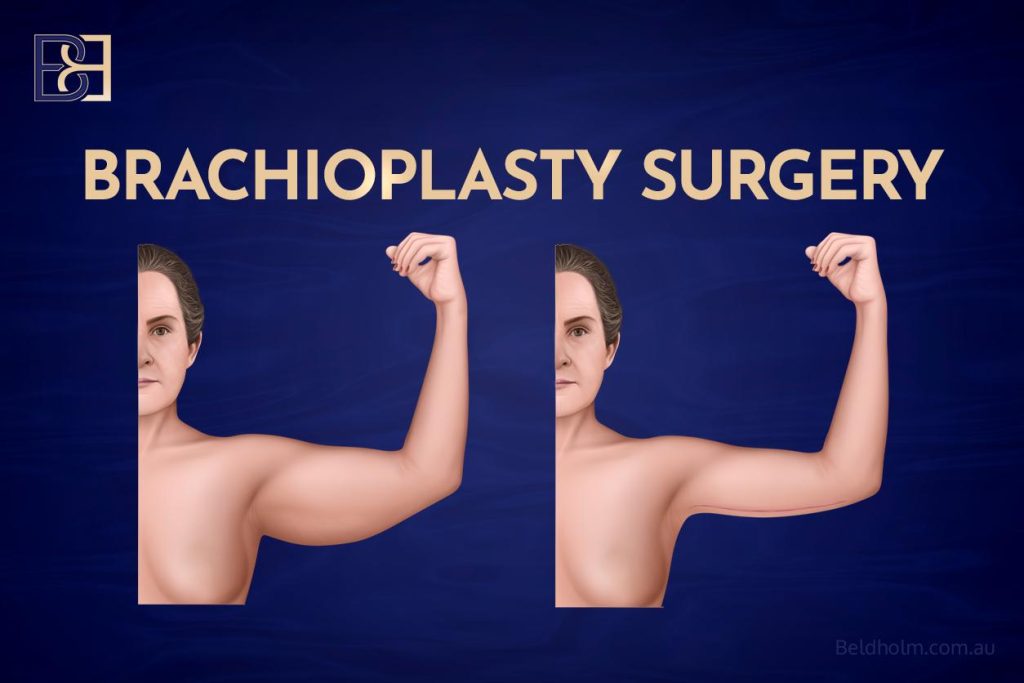
Who Is a Candidate for Arm Fat Removal
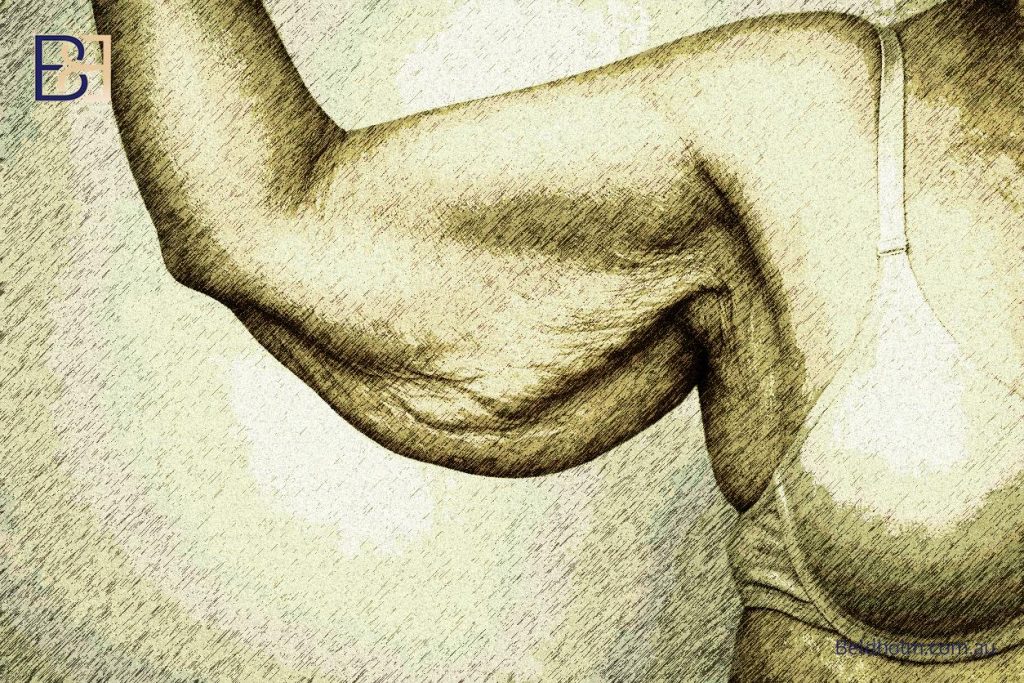
Arm fat removal surgery may be considered by patients who have persistent fat deposits in the upper arms that do not respond to diet or exercise.
Some patients notice that the upper arms remain full even when their overall weight is stable. In these situations, liposuction (suction-assisted lipectomy) may be used to reduce localised fat deposits when the skin has sufficient elasticity.
Patients who may be suitable candidates for upper arm liposuction (suction-assisted lipectomy) often have:
- Localised fat deposits in the upper arms
- Good skin elasticity
- Minimal loose skin
- A stable body weight
- Realistic expectations about surgical outcomes
However, liposuction (suction-assisted lipectomy) may not be appropriate for all patients. When there is significant loose skin or skin laxity, removing fat alone may not improve the arm contour and may sometimes make loose skin more noticeable.
During consultation, Dr Bernard Beldholm evaluates the amount of fat present, the quality of the skin, and the degree of skin laxity. This assessment helps determine whether liposuction (suction-assisted lipectomy) alone or brachioplasty with suction-assisted lipectomy is the more appropriate treatment option.
Book your appointment online now
Upper Arm Liposuction Procedure
Upper arm liposuction (suction-assisted lipectomy) is a surgical procedure used to remove localised fat deposits from the arms and reduce fullness in the upper arm contour.
The procedure is typically performed under general anaesthesia. Small incisions are made in discreet locations around the upper arm, and a thin tube called a cannula is inserted to remove excess fat.
Dr Bernard Beldholm uses suction-assisted lipectomy to carefully remove fat from the treatment area while aiming to maintain a smooth and even contour of the arm.
Key aspects of the procedure include:
- Small incisions placed in less visible areas of the arm
- Fat removal using a cannula and suction device
- Careful contouring of the upper arm to reduce fullness
- Use of compression garments after surgery to support the healing tissues
Upper arm liposuction usually takes approximately 1 to 2 hours, depending on the amount of fat being removed and whether the procedure is combined with other surgery.
The procedure is commonly performed as a day procedure, meaning most patients return home on the same day after surgery. However, the exact surgical plan and recovery process are discussed during consultation with Dr Bernard Beldholm.
When Liposuction Alone Is Not Enough
Liposuction (suction-assisted lipectomy) removes fat but does not remove excess skin. For some patients, this means that liposuction alone may not achieve the desired improvement in arm contour.
If the skin does not have sufficient elasticity to contract after fat removal, the remaining skin may appear loose or sagging.
Situations where liposuction alone may not be appropriate include:
- Significant skin laxity in the upper arms
- Loose or hanging skin after weight loss
- Large amounts of excess skin
- Reduced skin elasticity with age
In these cases, removing fat alone may leave excess skin behind, which can affect the final contour of the arm.
Brachioplasty removes excess skin and may also include liposuction (suction-assisted lipectomy) to address remaining fat deposits, depending on the patient’s anatomy.
Combining Liposuction with Arm Lift Surgery (Brachioplasty)
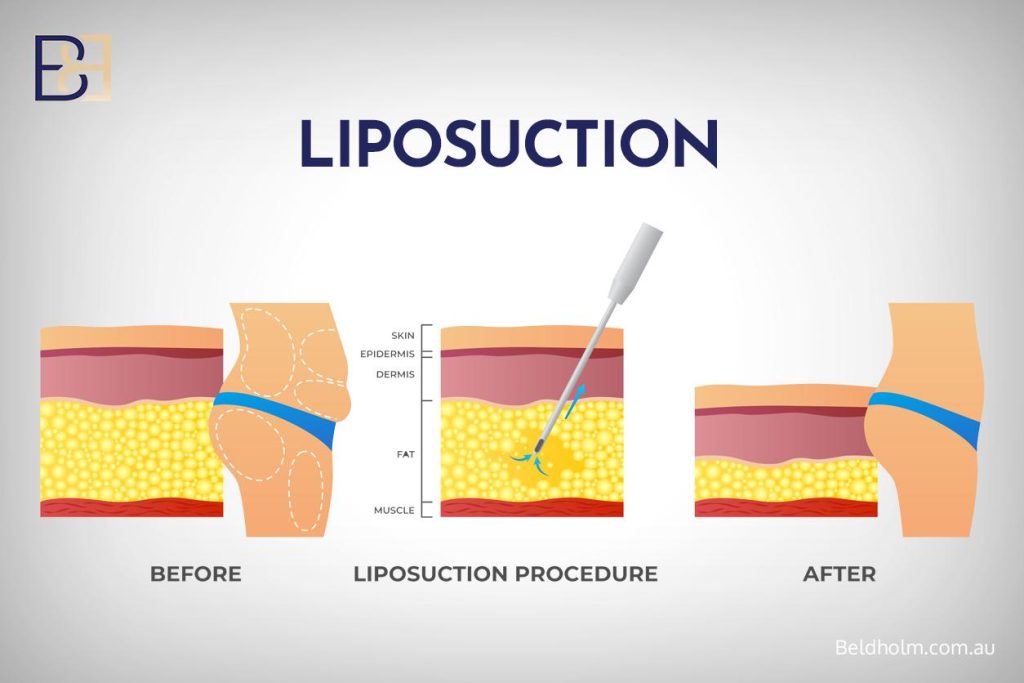
In some patients, excess fullness in the upper arms is caused by a combination of fat deposits and loose skin. In these situations, treatment may involve both liposuction (suction-assisted lipectomy) and arm lift surgery (brachioplasty).
Liposuction can be used to remove excess fat and reduce arm volume, while brachioplasty removes excess skin that cannot contract after fat removal.
During this combined procedure:
- Liposuction (suction-assisted lipectomy) may be performed to reduce fat deposits in the upper arm
- Excess skin is surgically removed to improve the arm contour
- The remaining tissues are repositioned to create a smoother arm profile
This approach may be considered for patients who have:
- Both excess fat and loose skin in the upper arms
- Skin laxity following weight loss
- Skin that is unlikely to contract adequately after liposuction alone
During consultation, Dr Bernard Beldholm assesses the amount of fat present, the quality of the skin, and the degree of skin laxity. This evaluation helps determine whether liposuction alone or a combined procedure with brachioplasty is more appropriate for the patient’s anatomy.
Recovery After Arm Fat Removal Surgery
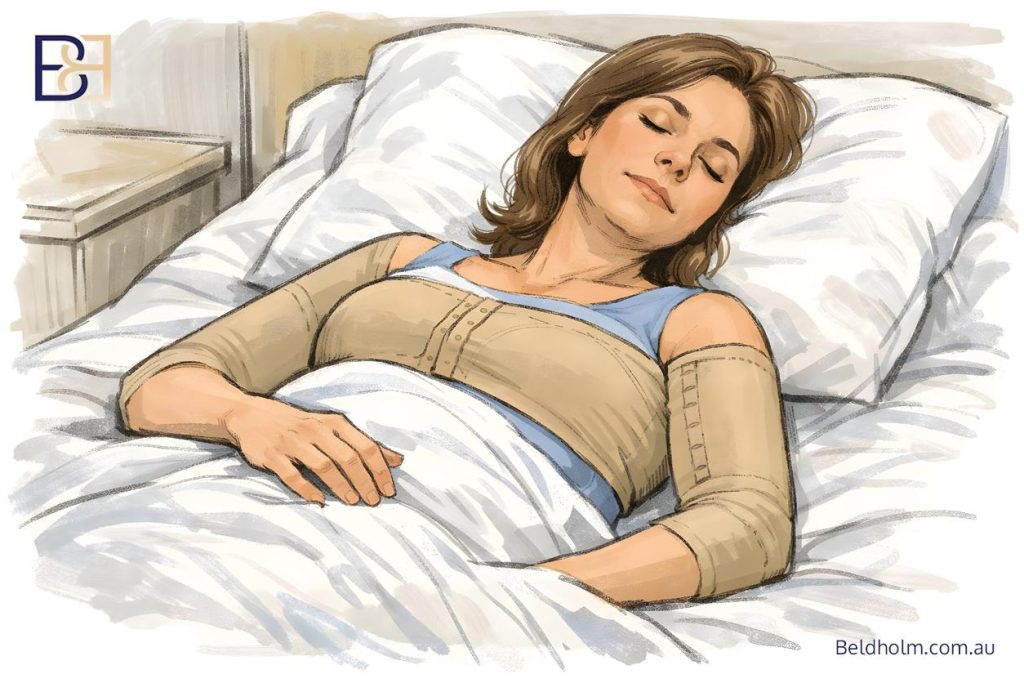
Recovery after upper arm liposuction (suction-assisted lipectomy) varies depending on the amount of fat removed and whether the procedure is performed alone or combined with other surgery.
Following surgery, patients typically wear a compression garment to support the tissues and help reduce swelling.
Common aspects of recovery may include:
- Swelling and bruising in the treated areas during the early recovery period
- Wearing a compression garment for several weeks
- Temporary soreness or tightness in the arms
- Gradual improvement in swelling as healing progresses
Most patients can return to light daily activities within several days, although strenuous activity and heavy lifting should be avoided for a period of time.
If liposuction is combined with arm lift surgery (brachioplasty), recovery may be longer due to the additional skin removal and incision healing.
During consultation, Dr Bernard Beldholm provides specific postoperative instructions based on the procedure being performed and the patient’s individual circumstances.
Risks and Potential Complications
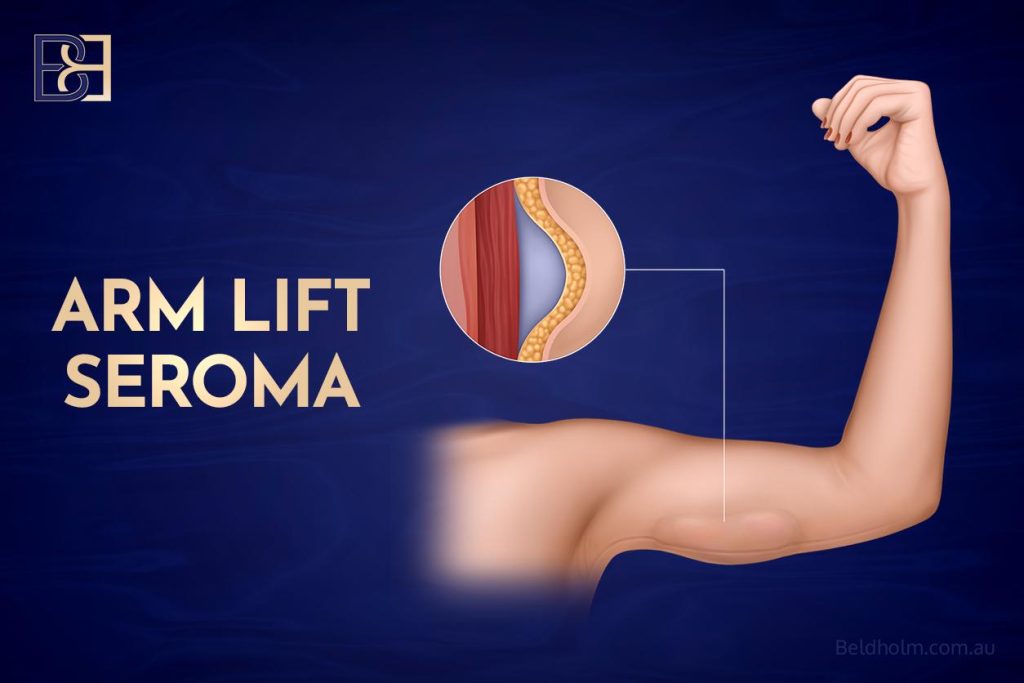
All surgical procedures carry risks. Arm fat removal surgery, including liposuction (suction-assisted lipectomy) and brachioplasty, may be associated with potential complications.
These may include:
- Bleeding
- Infection
- Seroma (fluid collection)
- Changes in skin sensation
- Contour irregularities
- Scarring
- Delayed wound healing
The likelihood of complications can vary depending on the extent of the procedure, the patient’s health, and individual healing characteristics.
During consultation, Dr Bernard Beldholm discusses potential risks and complications and provides information about how these risks are managed during the surgical and recovery process.
Book your appointment online now
Cost of Arm Fat Removal Surgery
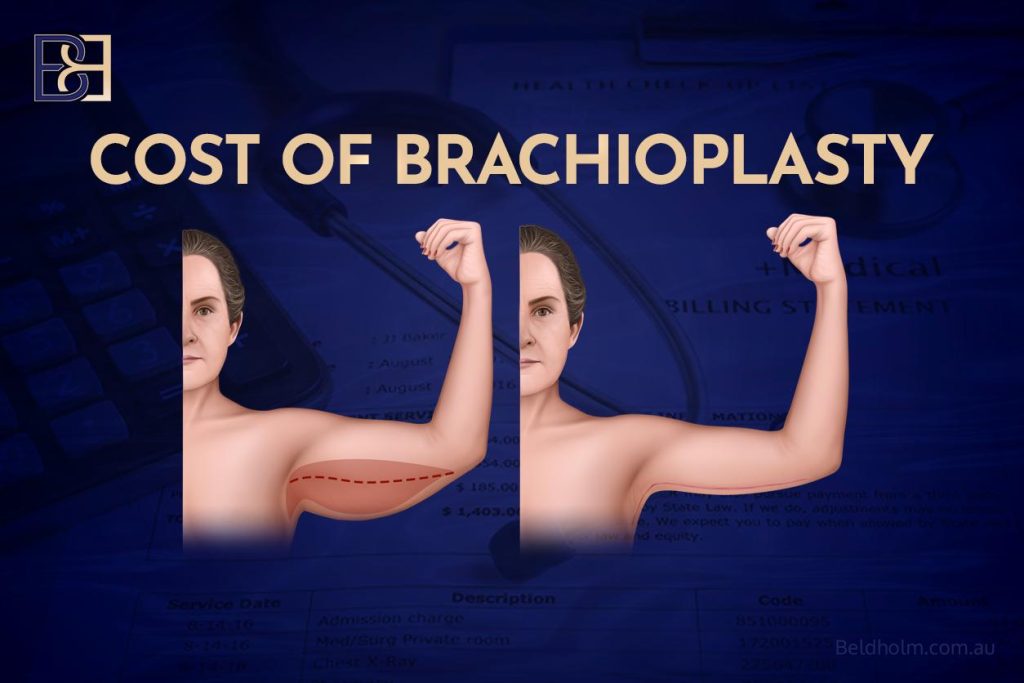
The cost of arm fat removal surgery can vary depending on the procedure required and the individual patient’s anatomy.
Some patients may be suitable for liposuction (suction-assisted lipectomy) alone, while others may require arm lift surgery (brachioplasty) if excess skin is present. The extent of surgery influences the overall cost.
Factors that may affect the cost include:
- Whether the procedure involves liposuction (suction-assisted lipectomy) alone or brachioplasty
- The complexity of the surgery
- Hospital and anaesthesia fees
- The length of the procedure
- Whether additional procedures are performed at the same time
Because each patient’s situation is different, an accurate quote can only be provided after a consultation and examination.
During consultation, Dr Bernard Beldholm assesses the amount of fat present, the quality of the skin, and whether liposuction alone or a combined procedure with brachioplasty is required. A detailed surgical plan and cost estimate can then be discussed.
Consultation for Arm Fat Removal Surgery

A consultation is required to determine whether liposuction (suction-assisted lipectomy) or arm lift surgery (brachioplasty) is the most appropriate treatment for upper arm fullness.
During the consultation, Dr Bernard Beldholm performs a physical examination and assesses several factors that influence the treatment plan.
These may include:
- The amount and distribution of fat in the upper arms
- The quality and elasticity of the skin
- The presence of loose or excess skin
- The patient’s medical history and overall health
- The patient’s treatment goals
This assessment helps determine whether liposuction (Suction-assisted lipectomy) alone is likely to provide an appropriate result or whether brachioplasty with suction-assisted lipectomy may be required to address both fat and excess skin.
The consultation also provides an opportunity to discuss the procedure, recovery process, potential risks, and expected outcomes. A personalised surgical plan can then be developed based on the patient’s anatomy and treatment goals.
Patients considering arm fat removal surgery can book a consultation to discuss their options with Dr Bernard Beldholm.
Frequently Asked Questions About Arm Fat Removal
Can arm fat be removed with liposuction?
Yes. Liposuction (suction-assisted lipectomy) can remove localised fat deposits from the upper arms. This procedure may be appropriate for patients who have excess fat but good skin elasticity and minimal loose skin.
If the skin cannot contract adequately after fat removal, arm lift surgery (brachioplasty) may be recommended instead.
Is arm fat removal the same as an arm lift (brachioplasty)?
No. These procedures address different problems.
Liposuction (suction-assisted lipectomy) removes fat deposits but does not remove excess skin.
Arm lift surgery (brachioplasty) removes excess skin and may also include liposuction to address remaining fat.
Dr Bernard Beldholm determines the appropriate procedure during consultation based on the amount of fat and the degree of skin laxity.
Can exercise remove arm fat?
Exercise can improve muscle tone and contribute to overall fat reduction. However, some patients have localised fat deposits in the upper arms that persist despite weight loss and physical activity.
In these cases, liposuction (suction-assisted lipectomy) may be considered to remove resistant fat deposits.
Will liposuction tighten loose arm skin?
Liposuction removes fat but does not tighten loose skin. If the skin does not have sufficient elasticity to contract after fat removal, loose skin may remain.
When significant skin laxity is present, arm lift surgery (brachioplasty) may be required to remove excess skin and improve the arm contour.
How long does arm liposuction take?
Upper arm liposuction typically takes approximately 1 to 2 hours, depending on the amount of fat being removed and whether it is combined with other procedures.
The procedure is commonly performed as a day surgery, meaning most patients return home on the same day.
How long is recovery after arm fat removal surgery?
Recovery varies depending on the procedure performed.
After liposuction (suction-assisted lipectomy), patients usually experience swelling and bruising during the early recovery period and wear a compression garment for several weeks.
If the procedure includes brachioplasty, recovery may be longer due to the additional skin removal and incision healing.
Dr Bernard Beldholm provides detailed postoperative instructions during consultation based on the planned procedure.