


Abdominoplasty (Tummy Tuck) with Dr Bernard Beldholm FRACS
Book Online NowA considered approach to post-pregnancy and post-weight-loss body contouring.
Many people seek abdominoplasty when pregnancy, ageing or significant weight loss leads to changes in the abdominal area, including excess skin, separated abdominal muscles, or weakened fascia. These changes often cannot be improved with exercise alone. Abdominoplasty (tummy tuck surgery) is a surgical procedure that aims to remove excess skin and excess fat, support the abdominal wall, refine the abdominal contour, and restore comfort in the area.
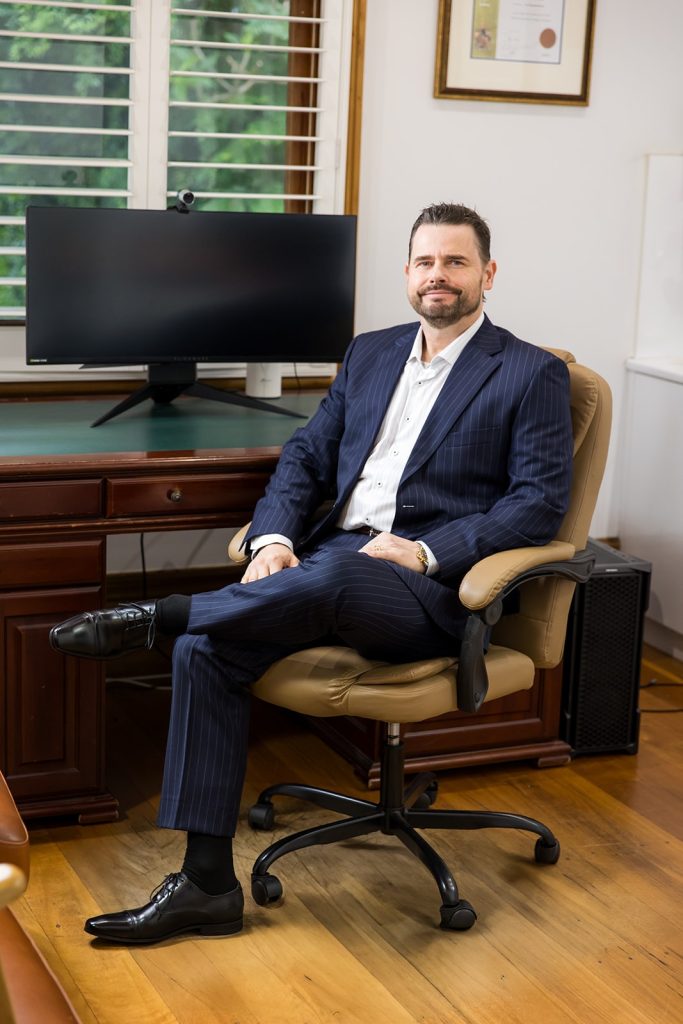
Dr Bernard Beldholm (MED0001186274), M.B.B.S, B.Sc (Med), FRACS, is a Specialist Surgeon with a long-standing focus on post-pregnancy and post-weight-loss body contouring. His practice is based in the Hunter Valley, and he provides individualised treatment plans for patients seeking abdominoplasty surgery, extended abdominoplasty, circumferential abdominoplasty, and related procedures.

Abdominoplasty After Pregnancy
Pregnancy can stretch the underlying muscles of the abdomen, sometimes leaving separated muscles (Diastasis recti) and changes to the shape of the abdominal region. Many people also notice excess skin or soft-tissue laxity around the lower abdomen, particularly around the belly button. Abdominoplasty (tummy tuck) may help address these concerns by tightening the abdominal wall and removing excess skin. Every person’s anatomy and goals differ, and the procedure involves a careful assessment of the abdominal muscles, skin quality, and medical history.
Book Online NowAbdominoplasty After Significant Weight Loss
Following substantial weight loss or massive weight loss, it’s common to have remaining skin, tissue laxity, or excess skin hanging around the lower abdomen and flanks. An abdominoplasty (tummy tuck) can help remove this remaining skin and support the underlying structures. Some individuals may benefit from an extended approach, including Fleur-de-Lis or circumferential abdominoplasty, depending on how the excess skin is distributed. These operations are often considered as part of reconstructive surgery in post-weight-loss body contouring.
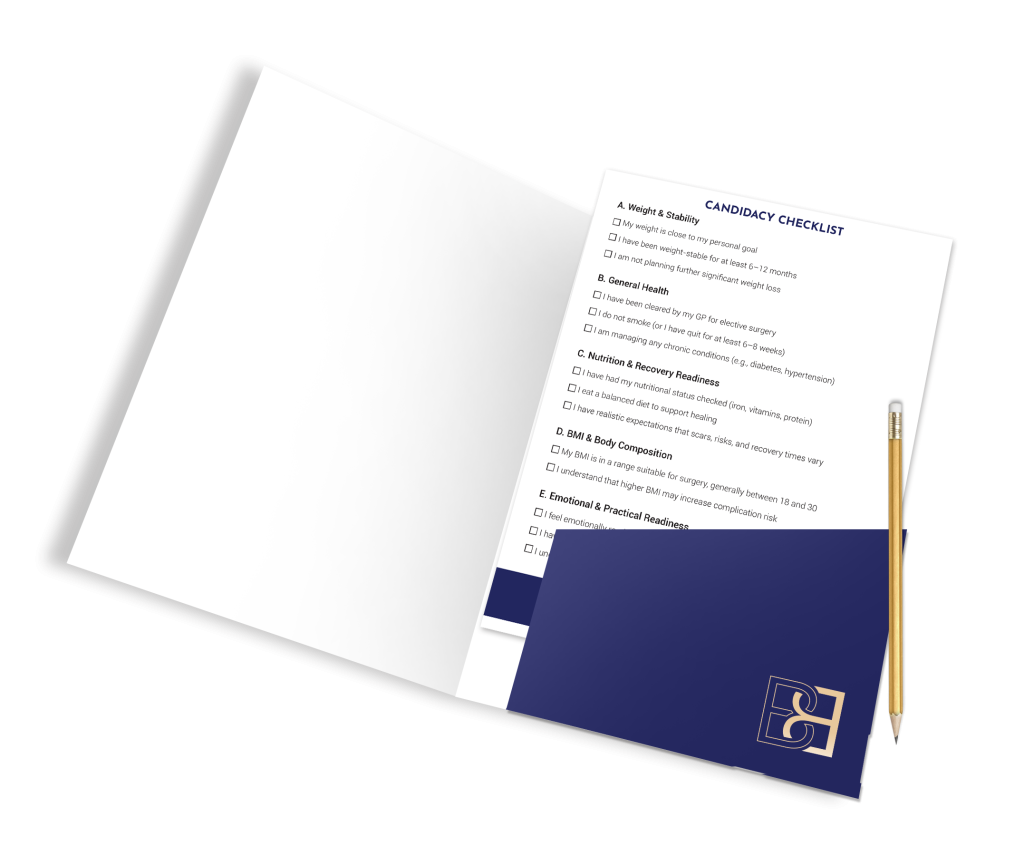
Maintaining a stable weight is usually recommended prior to surgery, and a full assessment is required to ensure suitability.
Book Online Now
Each Patient Has Unique Needs and Expectations

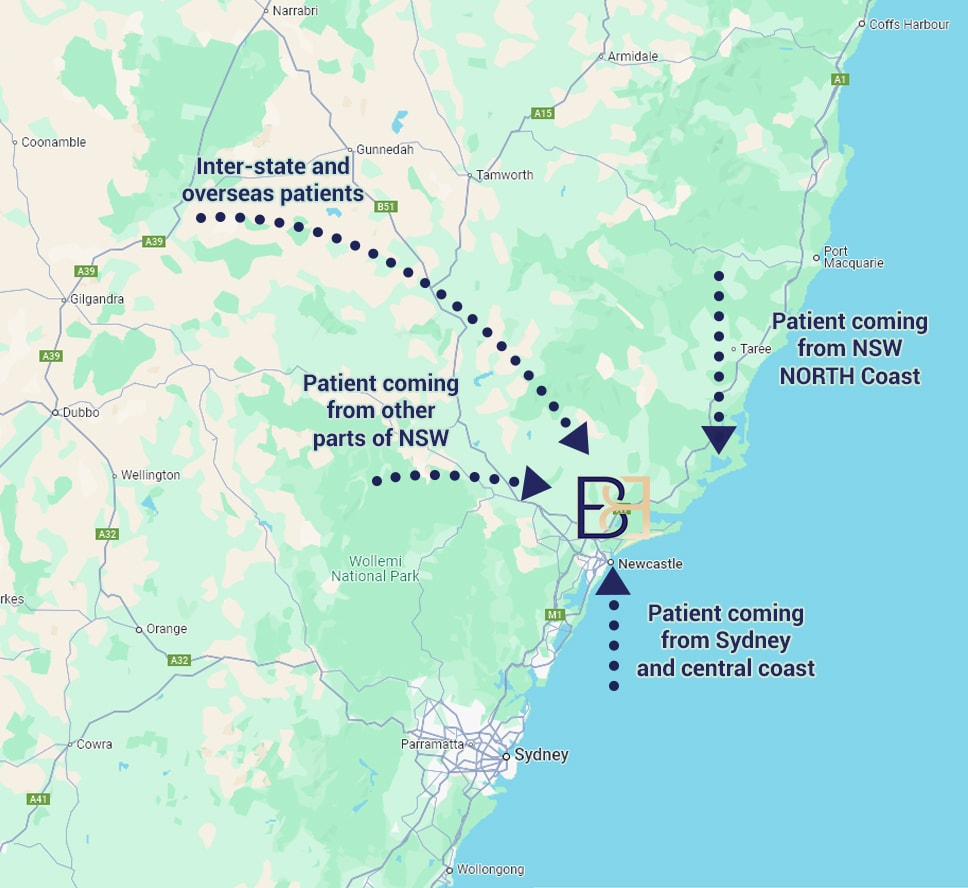
Every patient has individual goals, health considerations, and anatomical differences. For this reason, the consultation process is not simply a formality — it is a critical step in planning your surgery and ensuring a personalised approach. Dr Beldholm regularly sees patients who travel from across Australia, and while an initial Zoom consultation can be a useful starting point for those coming from further away, an in-person appointment is essential before any surgical plan can be finalised.
Initial Zoom Consultation (Optional for Patients Travelling From Afar)
For interstate or regional patients, a preliminary Zoom consultation allows you to speak with Dr Beldholm, outline your concerns, and discuss whether abdominoplasty may be suitable. This appointment does not replace the requirement for an in-person consultation, but it can provide clarity and help you plan your next steps.

The Essential In‑Person Consultation (1 Hour)
Your in-person consultation is the most important step in developing a tailored surgical plan. During this one-hour appointment, Dr Beldholm will:
- Conduct a full review of your medical history
- Assess your concerns, including loose skin, muscle separation (Diastasis recti), and previous abdominal surgery
- Perform a physical examination and take standardised clinical images
- Discuss suitable surgical options and explain how each procedure is performed
- Review risks, possible complications, and expected recovery
This detailed assessment ensures that your planned abdominoplasty is safe, appropriate, and aligned with your expectations.
Your Personal Patient Coordinator
After your consultation, you will receive a comprehensive written quote outlining the surgical plan, associated hospital and anaesthetic requirements, and any applicable Medicare considerations. From this point forward, your dedicated patient coordinator becomes your personal liaison — assisting with scheduling, paperwork, logistics, and guiding you through the entire pre‑operative and post‑operative journey.
A Tailored Surgical Plan

Every patient requires a tailored approach, and Dr Beldholm offers several operative techniques depending on your anatomy, skin quality, muscle function, previous abdominal surgery, and goals. The consultation process determines which method is most appropriate for you.
Standard Abdominoplasty
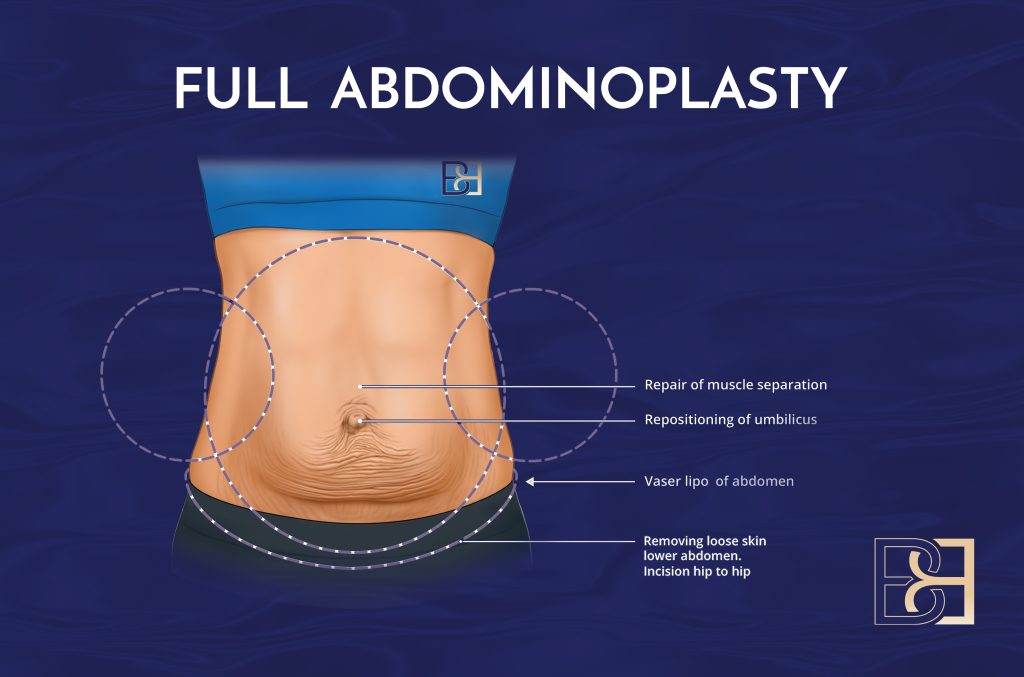
For patients who primarily have loose skin with minimal fat and no additional abdominal conditions, a standard abdominoplasty may be recommended. This procedure generally takes around three hours and typically involves an overnight stay in hospital. It focuses on removing excess skin, tightening the abdominal wall, and improving the contour of the lower and upper abdomen.
Abdominoplasty with VASER Liposuction
Many patients considering abdominoplasty also have areas of excess fat around the flanks or upper abdomen. In these cases, Dr Beldholm may incorporate VASER liposuction (ultrasound‑assisted suction lipectomy) to refine the contour. VASER allows selective targeting of fatty tissue, assisting in achieving smoother transitions between the abdomen and surrounding areas. This technique is especially beneficial when sculpting the flanks or upper abdomen where additional contouring is desired.
Abdominoplasty with Diastasis Recti Repair
Post‑pregnancy patients or those with a history of weight fluctuations may experience separation of the abdominal muscles (Diastasis recti). When present, this can be repaired during abdominoplasty. The repair aims to support the abdominal wall and improve functional core stability.
Abdominoplasty with Hernia Repair
Some individuals have an underlying abdominal hernia identified during examination or through imaging. When appropriate, hernia repair can be performed at the same time as abdominoplasty. Combining the procedures may reduce the need for separate operations and allows the abdominal wall to be addressed in a comprehensive manner.
Selecting the Right Technique
Your personalised surgical plan is determined after reviewing your medical history, abdominal anatomy, weight history, and any previous abdominal surgery. By combining the appropriate technique—whether standard abdominoplasty, VASER adjuncts, muscle repair, or hernia repair—Dr Beldholm is able to tailor the operation to your specific needs and clinical requirements.
Recovery and Aftercare
Recovery requires rest, support at home, and adherence to postoperative guidance. Most patients wear a compression garment for several weeks to support the surgical site and help minimise swelling. It’s normal to experience discomfort, tightness, and temporary changes in skin sensation.
Walking soon after surgery is encouraged to reduce the risk of blood clots and deep vein thrombosis. As with any surgery performed under general anaesthesia, complications can occur, including wound infection, poor wound healing, excess blood, or severe pain. The clinical team monitors healing closely, and follow-up appointments are organised in line with the practice’s structured aftercare program.
Complications
All surgical procedures carry risks, and it is important to understand these clearly before deciding to proceed. During your consultation, Dr Beldholm will discuss the potential complications in detail and outline how these risks are managed throughout your care.
Common Surgical Risks
Some risks can occur with any operation performed under general anaesthetic. These may include:
- Bleeding or excess blood accumulation (haematoma)
- Infection at the incision site
- Delayed or poor wound healing
- Temporary or prolonged changes in skin sensation
- Deep vein thrombosis or blood clots
- Fluid accumulation (seroma)
Abdominoplasty‑Specific Risks
Because abdominoplasty involves tightening the abdominal wall and removing excess tissue, there are additional considerations, such as:
- Loss of skin or tissue (rare but possible in areas with reduced blood supply)
- Fat necrosis in areas of treated fatty tissue
- Asymmetry or contour irregularities
- Visible and prominent scars, which may thicken or widen over time
- Potential need for additional revision surgery if healing or scarring is not as expected
Factors That Influence Risk
Your overall health, previous abdominal surgery, weight stability, smoking status, and medical conditions all influence healing and complication risk. Dr Beldholm will review these factors with you to determine your suitability and create a surgical plan that prioritises safety.
Understanding these risks helps ensure that your expectations are realistic and that you feel informed, prepared, and supported throughout the process.
Costs and Medicare Eligibility

How much does abdominoplasty cost?
Costs vary depending on the type of abdominoplasty, complexity, hospital stay, and whether additional procedures (such as VASER liposuction or hernia repair) are included. A tailored written quote is provided after consultation.
Is abdominoplasty covered by Medicare?
Medicare rebates may apply in specific circumstances, including functional symptoms related to excess skin after weight loss or pregnancy. Eligibility is assessed according to strict MBS criteria, and a GP referral is required. Determining eligibility requires an in-person consultation.
Is abdominoplasty major surgery?
Yes. Abdominoplasty is considered major surgery, requiring a hospital stay and a structured recovery period.
Why Patients See Dr Beldholm
Within AHPRA (Medical board) guidelines, we cannot use testimonials or make subjective claims about outcomes. However, we can state that Dr Beldholm has extensive experience (15 years +) in abdominoplasty surgery, particularly for patients who have experienced pregnancy changes or significant weight loss. His practice is designed around comprehensive preoperative planning, careful surgical technique, and detailed postoperative care.
The consultation process includes a full medical assessment, abdominal examination, risks discussion, and the opportunity to review surgical options in detail.
Next Steps
A GP referral is required for all consultations. Your first appointment involves a full medical review, examination of the abdominal area, discussion of risks, and development of a personalised surgical plan.
Our team can assist with the referral process.